Λ
Acupuncture Benefits for Pain, Stress, and Recovery
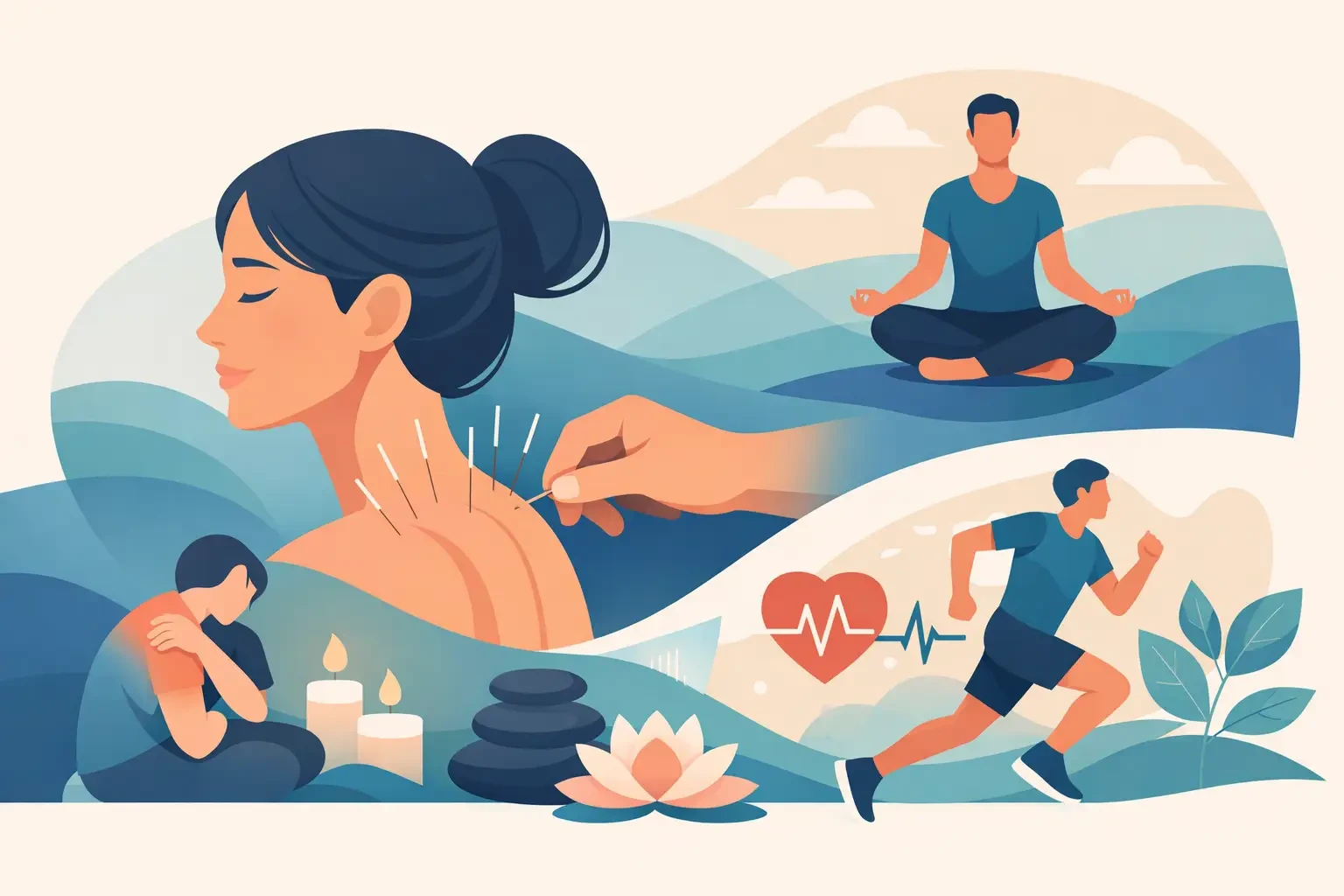
That neck tension that creeps in after a long laptop day? The low-back ache that makes your favorite workout feel less fun? The wired-but-tired feeling that follows you into bed? Acupuncture benefits can reach beyond one sore spot because this gentle, time-tested therapy is often used to support pain relief, movement, recovery, and a calmer nervous system.
At Align, acupuncture is not treated like a one-size-fits-all appointment or a mysterious wellness ritual. It is one thoughtful piece of a whole-body care plan. Your symptoms, movement patterns, stress load, health history, and goals all matter. Sometimes the goal is getting through the workday with less discomfort. Sometimes it is returning to the gym, recovering after an injury, or simply feeling more at home in your body.
What acupuncture is actually doing
Acupuncture involves placing very thin, sterile needles at specific points on the body. Many people are surprised by how little they feel during treatment. You may notice a quick pinch, a dull warmth, heaviness, tingling, or a deep sense of relaxation. Some clients even drift off on the table. Yes, it can be that cozy.
From a modern perspective, needling can stimulate nerves, muscles, and connective tissue. This may influence how the body processes pain, circulates blood locally, and regulates stress responses. Traditional East Asian medicine describes acupuncture through patterns of balance and energy flow. These perspectives do not have to compete. In a personalized wellness setting, both can help guide a practical conversation about what your body is asking for.
Research is strongest for certain pain conditions, particularly chronic low-back pain, neck pain, osteoarthritis-related knee pain, and some headache disorders. Results vary from person to person, and acupuncture is not a magic wand. Still, for people looking for a non-surgical, medication-light way to support their care, it can be a meaningful option.
Acupuncture benefits for the things that disrupt your day
Pain relief without making your whole life about pain
Pain is not always just about one angry muscle. A stiff neck can change how you sleep. Poor sleep can lower your tolerance for stress. Stress can make you hold even more tension in your shoulders. It is a very un-fun loop.
Acupuncture may help reduce pain intensity and muscle guarding, especially when discomfort has been hanging around long enough to affect how you move and feel. It is commonly used for back and neck discomfort, shoulder tightness, knee pain, headaches, jaw tension, and overworked muscles. For acute injuries or severe pain, it may be part of a broader plan rather than the only answer.
The goal is not simply to chase symptoms from one appointment to the next. It is to create enough relief that your body can move, recover, and respond to corrective care more comfortably.
Better mobility and easier movement
When a muscle is tense or a joint feels guarded, your body often starts taking shortcuts. You may twist differently getting out of the car, avoid reaching overhead, or skip the activities that usually make you feel strong. Over time, those workarounds can affect posture, strength, and confidence.
Acupuncture can support mobility by easing muscular tension and helping sensitive areas settle down. It often pairs well with chiropractic care, physiotherapy, stretching, and targeted movement guidance. For example, someone with recurring low-back tightness may benefit from acupuncture to calm irritable tissue while also working on spinal mobility, hip strength, and the desk setup that keeps stirring the problem up.
That combination matters. Relief feels great. Relief plus a plan for moving better is where sustainable change starts.
Stress support for an overloaded nervous system
Stress does not stay politely in your thoughts. It can show up as shallow breathing, clenched teeth, tight traps, restless sleep, digestive changes, headaches, and a body that never quite gets the memo that the workday is over.
Many people seek acupuncture because treatment creates a noticeable pause. The quiet room, intentional rest, and nervous-system-focused care can help the body shift out of its constant go-go-go setting. Some clients feel calm immediately; others notice that they sleep more soundly or feel less physically tense later that day.
Acupuncture should not replace mental health support when anxiety, depression, trauma, or sleep concerns need clinical attention. It can, however, be a supportive part of a care routine built around stress management, healthy boundaries, movement, and restorative habits.
Recovery support for active lives
Whether you train hard, chase kids, travel for work, or all three before lunch, recovery is not optional. Persistent soreness and restricted movement can make it harder to stay consistent with the activities that support your health.
Acupuncture may help active adults manage post-workout tightness, repetitive-use discomfort, and the physical strain that follows a demanding season. It can also be paired with cupping, physiotherapy, or chiropractic care when appropriate. The right mix depends on what is happening in your body, not on a trendy treatment menu.
Why personalized care changes the experience
Two people can arrive with “back pain” and need completely different care. One may have an irritated area after lifting. Another may be dealing with long hours at a desk, poor sleep, limited hip mobility, and stress-related muscle tension. Treating both people exactly the same would miss the point.
A thoughtful acupuncture plan considers where symptoms are showing up, what seems to aggravate or ease them, how long they have been present, and what you want to get back to doing. At Align, acupuncture may be used on its own or coordinated with hands-on care and movement-focused therapies to support your broader goals.
This is especially valuable for people who have tried to power through discomfort with stretching videos, pain relievers, or a new pillow every few weeks. Those tools can have a place, but recurring symptoms usually deserve a closer look at the patterns behind them.
What to expect at your first acupuncture appointment
Your visit should start with a conversation, not a guess. Your provider will ask about your health history, current symptoms, medications, previous injuries, daily routines, and goals. Be honest about what you are feeling, even if it seems unrelated. The shoulder tightness, sleep changes, stress level, and old ankle injury may all be useful clues.
During treatment, you will rest comfortably while needles are placed in selected areas. The number and location of points can vary. Needles may be placed near the area of concern, but not always. A treatment for headaches, for instance, may include points on the arms, hands, legs, or feet.
Appointments are generally calming, but response can differ. You might feel lighter and more mobile right away. You may also feel relaxed, temporarily tired, or mildly sore in a treated area. Drinking water, having a nourishing meal, and choosing gentler movement afterward can help you ease into the rest of your day.
How many sessions will you need?
It depends on the concern, your health history, and how your body responds. A recent flare-up may improve in fewer visits than long-standing pain or a complex pattern involving posture, stress, and movement restrictions. Consistency usually matters more than chasing an instant fix.
Your care plan should be clear about what you are working toward and when to reassess. Maybe that means less frequent headaches, easier squats, fewer afternoons with neck tension, or sleeping without waking up stiff. These real-life markers are more useful than promising a perfect number of sessions for everyone.
When acupuncture may not be the right fit
Acupuncture is generally well tolerated when performed by a qualified practitioner using sterile, single-use needles, but it is not appropriate for every situation. Tell your provider if you are pregnant, have a bleeding disorder, take blood-thinning medication, have a pacemaker, or have a significant medical condition. Certain points or techniques may need to be avoided or modified.
Sudden severe pain, new weakness or numbness, loss of bladder or bowel control, chest pain, high fever, unexplained weight loss, or symptoms after a serious accident call for prompt medical evaluation. Holistic care works best alongside appropriate medical care, not instead of it when red flags are present.
The most helpful question is not, “Can acupuncture fix everything?” It is, “Could this be a useful part of my plan?” For many people in Frisco and North Dallas, the answer is yes - especially when treatment is paired with the right movement, recovery, and lifestyle support.
Your body is always giving feedback. Acupuncture can be a gentle way to listen more closely, soften the tension that has been building, and make room for the life and movement you want to enjoy.
Find your next step at ALIGN
Our Frisco team can help you explore care that fits your needs. Request an appointment or explore our services.
This article provides general information and does not replace individualized medical advice.
← Back to all articles