Λ
Does Cupping Therapy for Tight Shoulders Help?
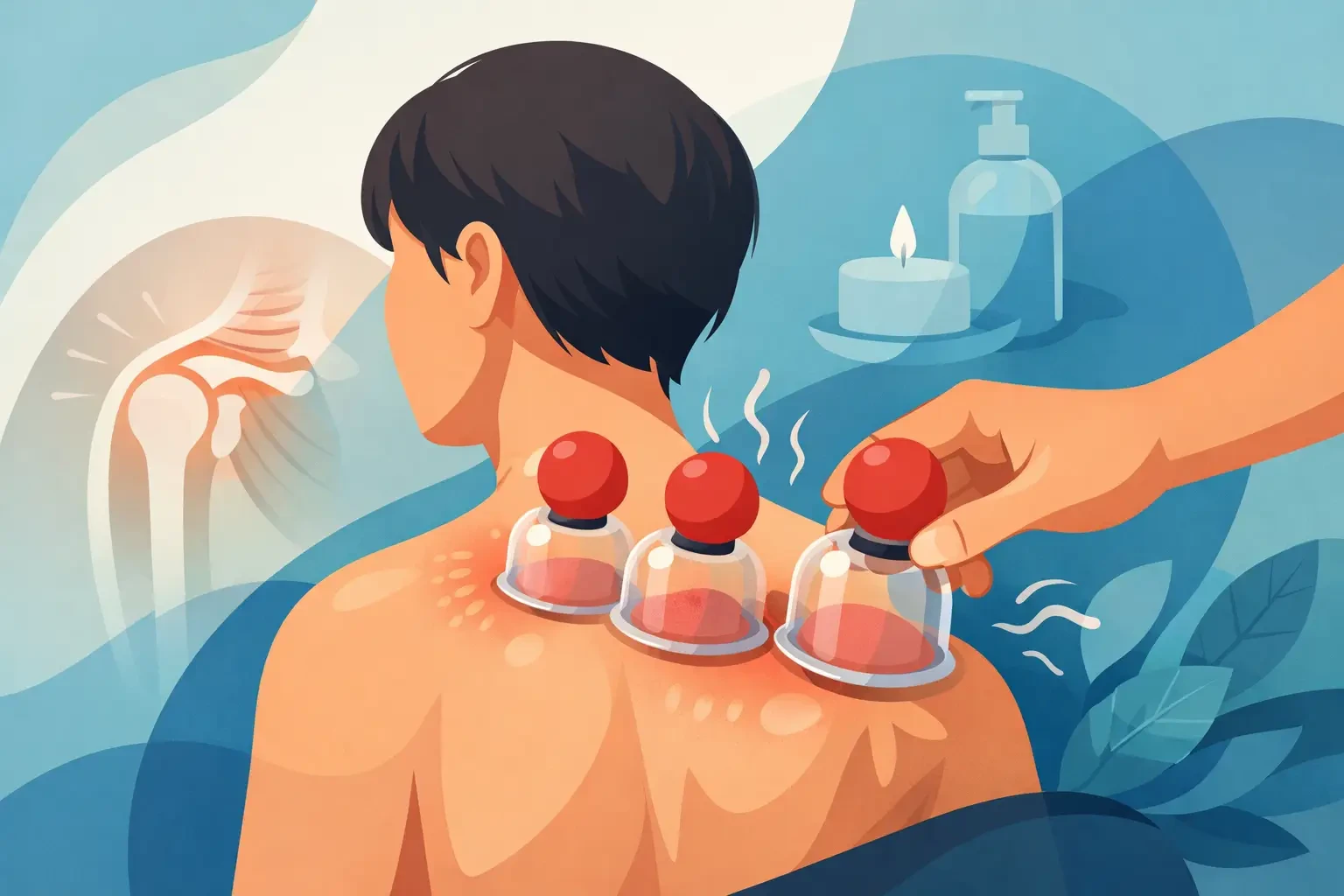
Your shoulders may not be carrying groceries, a gym bag, or a toddler at this exact moment, but they are probably still carrying plenty. Hours at a laptop, stressful meetings, driving, workouts, poor sleep, and the familiar habit of creeping your shoulders toward your ears can leave the upper back feeling like one stubborn knot. Cupping therapy for tight shoulders offers a gentle, non-surgical way to address that stuck, heavy feeling while supporting better movement and recovery.
Cupping is not a magic fix for every ache, and it is not meant to replace a thoughtful evaluation when pain is severe or persistent. But for many people, it can be a helpful part of a personalized plan for easing muscular tension, restoring mobility, and helping the body settle out of its stress posture.
Why shoulders get tight in the first place
Shoulder tension is rarely just a shoulder problem. The muscles around the neck, upper back, chest, shoulder blades, and spine work as a team. When one area gets overworked or under-supported, the rest often jump in to compensate.
For office professionals, rounded shoulders and a forward head position can ask the upper trapezius and levator scapulae muscles to work overtime. For active adults, tightness may show up after strength training, tennis, golf, cycling, or a new workout routine. Parents often feel it after repetitive lifting and carrying. Stress can add another layer, because the nervous system commonly responds to pressure by bracing the jaw, neck, and shoulders.
This is why rubbing the sorest spot may feel good for an hour but not completely change the pattern. Sustainable relief often calls for a wider look at posture, spinal movement, breathing habits, workload, recovery, and the way your body manages stress.
How cupping therapy for tight shoulders works
Cupping uses specialized cups to create gentle suction on the skin and underlying soft tissue. Unlike massage, which applies pressure down into a muscle, cupping lightly lifts the tissue upward. A trained provider may place cups in one area for a brief period or glide them across the upper back and shoulders with lotion.
That suction can create a strong pulling sensation, warmth, or a feeling of pressure releasing. Many clients describe their shoulders as feeling lighter, looser, or easier to move afterward. The goal is not to force a muscle to relax. It is to encourage circulation in the area, reduce the feeling of restriction, and give the body useful sensory input that can support a calmer, more mobile response.
The experience should be tailored to you. Someone who is highly sensitive, new to bodywork, or already sore from a tough workout may need lighter suction and shorter cup time. Someone with long-standing upper-back tightness may benefit from a plan that includes cupping alongside mobility work and hands-on care. More intensity is not automatically better. Your body gets a vote.
What about the circular marks?
Cupping can leave round red, purple, or darker marks where the cups were placed. These marks are a common response to suction and can look dramatic, especially on lighter skin. They are not the same as a painful injury bruise, though they may be tender in some people.
Marks can last anywhere from a few days to roughly two weeks, depending on your skin, circulation, hydration, and the intensity of treatment. If you have photos, an event, or a beach weekend coming up, mention it before your session. Your provider can adjust the approach or focus on areas that are less visible.
Benefits that may matter in real life
The biggest reason to try cupping is not to collect impressive circles on your back. It is to feel and move better in the moments that matter: turning your head while backing out of a parking space, reaching overhead, sitting through a meeting without shifting constantly, or finishing a workout without your neck taking over.
Cupping may help with a temporary reduction in muscle tightness and soreness, improved comfort with shoulder and neck movement, and a sense of relaxation after a demanding week. It can be especially useful when the upper back feels dense or guarded and stretching alone has stopped making a meaningful difference.
Still, results vary. A tight shoulder caused primarily by muscular overuse may respond differently than pain related to a rotator cuff injury, cervical nerve irritation, arthritis, or a recent fall. Cupping can support comfort and recovery, but it should not be used to ignore pain that is sharp, worsening, associated with weakness or numbness, or limiting your ability to use your arm.
Cupping works best as part of a bigger plan
A shoulder that keeps tightening is often asking for more than one kind of attention. Cupping can create a helpful opening, but what happens after that opening matters.
For example, cupping may be paired with chiropractic care when restricted spinal or rib movement is contributing to upper-back strain. Acupuncture may be considered when tension, stress, and pain patterns overlap. Physiotherapy-style movement work can help you strengthen the muscles that stabilize the shoulder blades and improve the mobility of the chest and upper back.
At home, the most useful next step may be pleasantly unglamorous: take a short walk, hydrate, do the mobility exercises you were given, and avoid returning immediately to the exact posture that made your shoulders grumpy in the first place. A few movement breaks during the workday can be more powerful than one perfect stretch performed once a week.
At Align, care is built around that connected view. Rather than treating the shoulder as an isolated complaint, a personalized approach can consider your movement, stress load, spinal health, workout routine, and goals for feeling stronger and more comfortable in your body.
What to expect during and after a session
A cupping session for tight shoulders usually begins with a conversation about where you feel restriction, how long it has been present, what aggravates it, and whether you have had any injuries or health changes. Your provider may assess how your neck, upper back, and shoulders move before deciding where and how to apply the cups.
During treatment, communicate honestly. Let your provider know if the suction feels pinchy, too intense, or simply uncomfortable. Cupping should feel purposeful, not like a contest in tolerating discomfort.
Afterward, drink water, keep your body moving gently, and expect the area to feel different. Some people feel immediately loose; others feel relaxed and a little tender, similar to how they might feel after a focused massage or workout. It is generally wise to skip intense training, very hot baths, saunas, and aggressive self-massage for the rest of the day if your tissues feel sensitive.
When cupping may not be the right choice
Cupping is not appropriate for every person or every area of the body. It may need to be avoided or modified if you have broken or irritated skin, an active infection, a bleeding disorder, very fragile skin, certain circulation concerns, or are taking blood-thinning medication. Pregnancy, recent surgery, cancer treatment, and significant medical conditions also call for individualized guidance.
A qualified provider should review your health history and choose an approach that fits your needs. If you have new shoulder pain after a fall, visible swelling or deformity, chest pain, shortness of breath, fever, arm weakness, or numbness and tingling that will not ease, seek prompt medical evaluation rather than trying to work through it with bodywork.
Give your shoulders a new pattern to practice
Tight shoulders are often your body’s way of saying it has been working hard to keep up. Cupping can offer a soothing reset, but lasting change usually comes from pairing that reset with better movement, recovery, support, and a little more compassion for the body doing all the carrying. Your shoulders do not need to be punished into relaxing. They need a chance to feel supported enough to let go.
Find your next step at ALIGN
Our Frisco team can help you explore care that fits your needs. Request an appointment or explore our services.
This article provides general information and does not replace individualized medical advice.