Λ
What Cupping Therapy Can Do for Tight Muscles
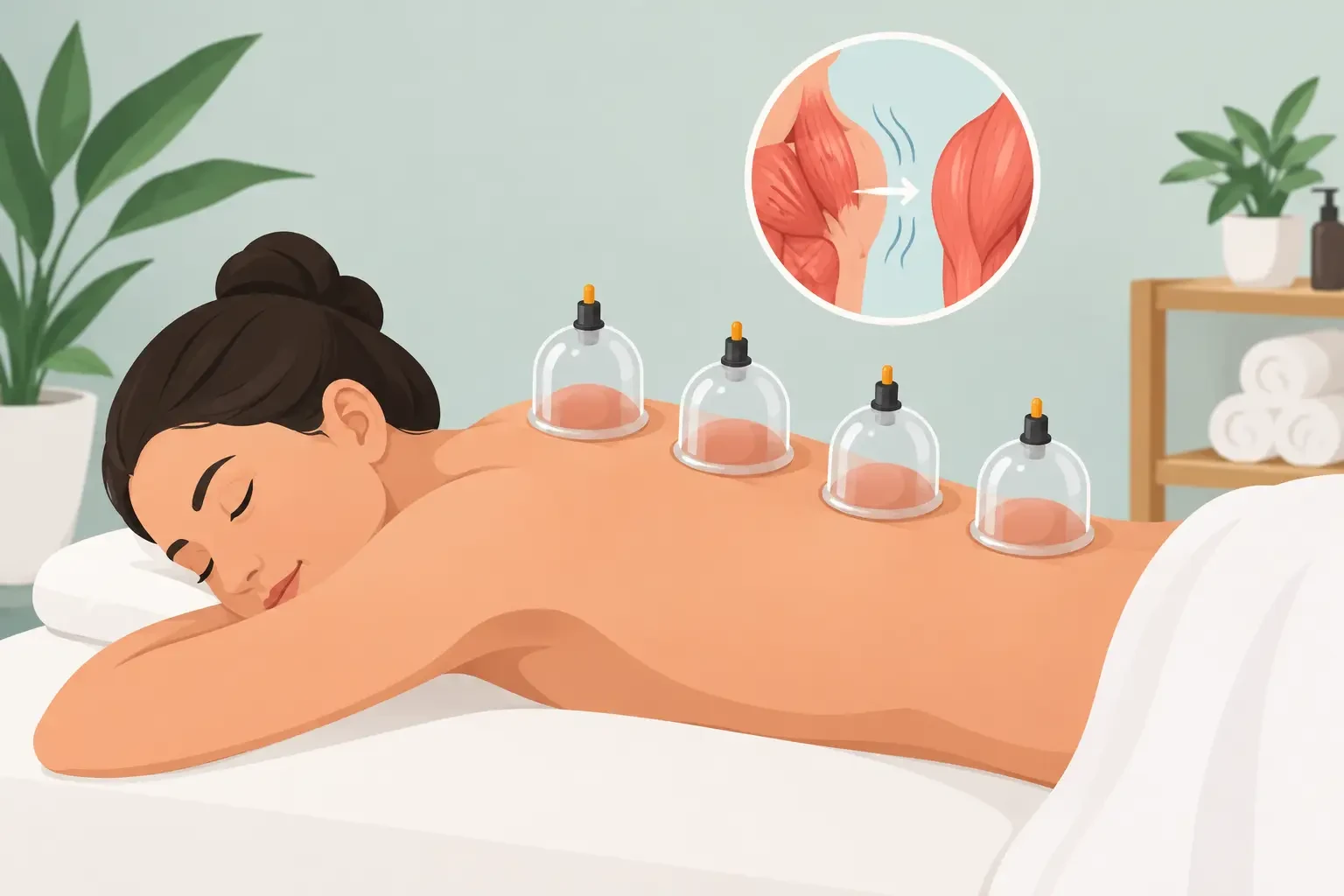
Those neat little circles on an athlete’s back are not a mysterious new wellness trend. Cupping therapy has roots in traditional healing practices and remains a feel-good recovery tool for people whose muscles seem to stay switched on - think desk-bound shoulders, a cranky low back, post-workout tightness, or a neck that has been holding onto every meeting of the week.
At Align, cupping is viewed as one part of a bigger picture. Your muscles, posture, movement habits, stress load, and spinal health all have a conversation going. Cupping can be a helpful way to support that conversation, especially when it is paired with hands-on care, physiotherapy, acupuncture, or a plan to move differently between visits.
What is cupping therapy?
Cupping uses specialized cups placed on the skin to create gentle suction. Instead of pressing down into a tight area like massage, the cup lightly lifts the skin and superficial tissues. This sensation can feel unusual at first, but most people describe it as a strong, relieving pull rather than pain.
A provider may leave cups in place for several minutes or glide them slowly over an area with lotion or oil. The approach depends on your goals, the area being treated, and how your body responds that day. Dry cupping, the type commonly used in wellness and recovery settings, does not involve needles or incisions.
The signature circular marks can range from light pink to deep purple. They are temporary changes in the skin caused by suction and can look dramatic even when they are not particularly sore. Think of them as your body’s temporary polka dots, not a badge of toughness you need to earn.
Why people choose cupping therapy
Many people seek cupping because a specific area feels restricted, achy, or overworked. Maybe your upper traps are practically living by your ears. Maybe your hips feel stuck after long drives around North Dallas. Maybe you train consistently but cannot quite shake that heavy, tight feeling in your calves or back.
Cupping therapy may help create a sense of ease in tense tissues, support short-term range of motion, and promote relaxation. Some clients enjoy it as part of post-exercise recovery, while others find it useful when stress has settled into their jaw, shoulders, ribs, or low back.
There is an important bit of real talk here: research on cupping is still developing, and results vary. It is not a magic fix for every kind of pain, nor is it a substitute for medical evaluation when symptoms are severe, sudden, or persistent. Its value often comes from how it fits into a personalized care plan rather than from the cups alone.
For example, if limited shoulder motion is related to repetitive desk posture, a session may feel great in the moment. Longer-lasting change usually also calls for mobility work, strengthening, ergonomic adjustments, and sometimes chiropractic or physiotherapy care. Relief is lovely. A plan that helps your body stay relieved is even better.
What a session feels like
Your provider will begin by discussing what is bothering you, how long it has been happening, what activities make it better or worse, and what you hope to get from care. This matters because the best placement is not always exactly where you feel discomfort. A sore shoulder, for instance, may be connected to neck tension, posture, breathing patterns, or how your upper back moves.
Once the cups are placed, you may feel warmth, pulling, or a mild pressure. The sensation should stay within your comfort level. Please speak up if it feels sharp, pinchy, or simply too intense. Wellness care is not a contest to see who can tolerate the most suction.
Afterward, the area may feel looser, warmer, or more mobile. Some people feel relaxed enough to want an early bedtime, while others feel energized. Marks commonly last a few days to around two weeks, depending on your skin, circulation, cup pressure, and the amount of time the cups were used.
When cupping can fit into your recovery plan
Cupping works particularly well as a complementary service because bodies rarely need just one thing. A runner dealing with stubborn calf tightness may benefit from cupping followed by movement guidance. A busy parent with recurring neck and upper-back tension may pair it with chiropractic care, stress-supporting routines, and simple exercises that fit into real life.
It can also be a calming reset when your nervous system has been running a little too hot. Slow, intentional care gives your body a chance to notice that it does not have to brace all day. That said, relaxation does not erase the need to address the habits or movements that keep creating overload.
Your care plan should be built around your goals. Are you trying to return to workouts comfortably, sit through a workday without that familiar low-back grip, move more freely, or maintain progress after an injury? The answers shape whether cupping is appropriate, where it is used, and what should accompany it.
Who should pause or ask first?
Cupping is non-surgical and often well tolerated, but it is not right for everyone or every body area. Let your provider know about your full health history, medications, skin sensitivities, and recent changes in your health before treatment.
Cupping may need to be avoided or modified over broken, irritated, sunburned, infected, or inflamed skin. Extra caution is needed for people with bleeding disorders, those taking blood-thinning medication, or anyone with conditions that affect skin healing or sensation. Pregnancy, active cancer treatment, a history of blood clots, fever, unexplained swelling, and significant varicose veins are all good reasons to check with an appropriately qualified healthcare professional before scheduling.
New weakness, numbness, loss of bladder or bowel control, chest pain, shortness of breath, a severe headache, or pain after a major injury calls for prompt medical care rather than a wellness appointment. Cupping can support recovery, but it should never delay necessary diagnosis or treatment.
How to care for your skin afterward
Treat the area kindly for the rest of the day. Hydrate, wear comfortable clothing, and give yourself permission to skip the extra-intense workout if your body feels tender. A gentle walk or easy mobility work is often a better match than trying to prove something to your hamstrings.
Avoid applying cups again over marks until the skin has fully recovered. If you experience unusual blistering, significant pain, spreading redness, or signs of infection, contact a healthcare professional. Mild tenderness and color changes are common; worsening symptoms are not something to shrug off.
A small reset can be part of a bigger shift
The best wellness tools meet you where you are, then help you move forward with more comfort and confidence. Cupping may be the supportive nudge your tight muscles have been asking for, especially when it is combined with care that looks at how you move, recover, work, rest, and live. Your body has been carrying a lot. It deserves thoughtful support, not a one-size-fits-all fix.
Find your next step at ALIGN
Our Frisco team can help you explore care that fits your needs. Request an appointment or explore our services.
This article provides general information and does not replace individualized medical advice.
← Back to all articles