Λ
Does Cupping Hurt? What It Really Feels Like
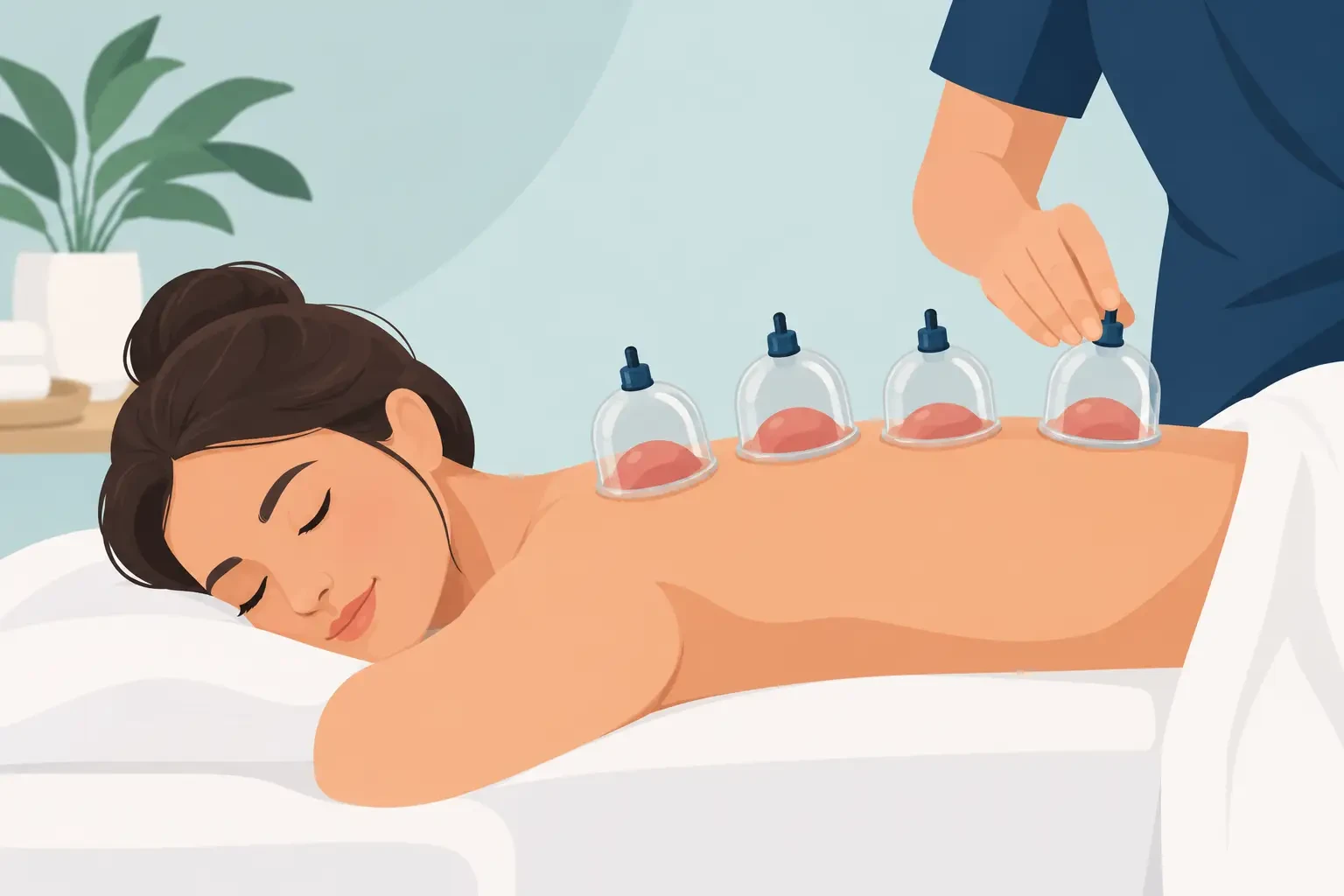
That first set of circular marks can look dramatic, so it is completely fair to ask: does cupping hurt? For most people, cupping feels more like firm pulling, pressure, and a deep stretch than sharp pain. It can be intense in a tight area, especially around the shoulders, back, hips, or legs, but it should never feel like something you have to grit your teeth through.
At Align, comfort matters just as much as results. Cupping is not a toughness test or a badge of honor. It is a hands-on recovery tool that can be adjusted to meet your body where it is today.
What cupping actually feels like
Cupping uses specialized cups to create gentle suction on the skin. Rather than pressing down into tight tissue like a massage therapist's elbow might, the cup creates an upward lift. That lifting sensation can feel unusual the first time - like your skin and underlying tissue are being gently drawn into the cup.
Many clients describe the feeling as a strong stretch or a “good weird” pull. In areas with a lot of tension, it may feel tender, warm, or mildly uncomfortable for a few moments as the cup is placed. Once your body relaxes into the treatment, that sensation often softens.
There are a few reasons one person may find cupping relaxing while another finds it more intense. Your current muscle tension, stress level, hydration, sleep, workout recovery, and sensitivity to pressure all play a role. A desk-bound neck and upper back after a long workweek may need a lighter approach than muscles that are simply looking for post-workout recovery support.
Does cupping hurt during a session?
Cupping should not cause sharp, burning, pinching, or escalating pain. A skilled provider can change the amount of suction, the placement of the cups, and the length of time they stay on your skin. Communication is part of the treatment, not an interruption.
A lighter cup can feel soothing and spacious, while stronger suction may create a deeper pulling sensation. Static cupping means cups rest in one place for a short period. Moving cupping involves gliding cups over skin with lotion or oil, which can feel similar to a slow, broad massage with suction. Neither version needs to be painful to be useful.
If you feel anxious before your appointment, say so. Starting gently gives your nervous system time to understand the sensation. Your provider can also avoid especially tender spots and combine cupping with other supportive care, such as chiropractic treatment, acupuncture, or physiotherapy, when that fits your goals.
Why cupping can feel intense in tight areas
Muscles that have been working overtime tend to be more sensitive. Think of the upper traps that creep toward your ears during stressful meetings, the low back that feels stiff after a long drive, or the hips that complain after hours at a desk. When tissue is already guarded, even helpful touch can register as more intense at first.
That does not mean the area is “full of toxins” or that more discomfort means a better outcome. It usually means your body needs a measured, personalized approach. More suction is not automatically more effective. The goal is to support circulation, mobility, and relaxation without overwhelming your system.
Cupping can be particularly appealing when traditional deep-tissue work feels like too much downward pressure. Because the cups lift tissue instead of compressing it, some people find it more comfortable than aggressive massage. Others prefer a lighter manual technique. Your body gets a vote.
What about the circular marks after cupping?
The marks are probably the part of cupping people notice most. They can range from light pink to deep red or purple and may look like bruises, but they are not caused by the same type of impact injury as bumping into a coffee table. They are a temporary response to suction and increased blood flow near the surface of the skin.
These marks are usually not painful. They may feel mildly tender, especially if the area was already tight, but many people feel no soreness at all. They commonly fade over several days to about two weeks, though timing varies based on your skin, the strength of suction, and your overall recovery.
If you have an event, vacation, or photo day coming up, plan ahead. Cupping marks can be covered with clothing or makeup once the skin is comfortable, but it is wise to schedule your session with enough time for them to fade naturally. This is a small trade-off for a treatment many clients enjoy for mobility and recovery, but it is worth knowing before you commit.
How to make your first cupping session more comfortable
You do not need to arrive perfectly relaxed, hydrated, and zen. Real life happens. Still, a few simple choices can help your experience feel better.
Come in having eaten a light meal and had water throughout the day. Avoid scheduling a very intense workout immediately before your session if your muscles are already highly sore. Wear clothing that makes the treatment area easy to access, and give yourself a little breathing room afterward rather than racing directly into a packed schedule.
During the appointment, keep speaking up. Tell your provider if a cup feels too strong, if you feel lightheaded, or if a particular spot is unusually tender. Take slower breaths. Let your shoulders drop. Your treatment can be adjusted in real time, and the best session is one that respects your comfort level.
Afterward, some people feel loose, calm, and pleasantly sleepy. Others notice mild tenderness similar to what they might feel after a workout or massage. Gentle movement, water, and a quieter evening can help you settle into the experience. There is no need to “push through” a hard workout just because you had bodywork that day.
When cupping may not be the right choice
Cupping is not for every body or every moment. It may need to be postponed or modified if you have broken, irritated, sunburned, or infected skin in the treatment area. It may also be inappropriate for people with certain bleeding disorders, those taking blood-thinning medication, or anyone with a condition that affects skin healing or sensation.
Pregnancy, recent surgery, active illness, cancer treatment, and significant medical conditions all call for an individualized conversation with a qualified healthcare professional. A thoughtful wellness plan is never one-size-fits-all. Sometimes the best choice is lighter care, a different modality, or waiting until your body is ready.
Cupping works best as part of a bigger plan
One cupping session can feel great, but lasting relief usually has more than one ingredient. If recurring neck tension is tied to workstation posture, poor sleep, stress, limited mobility, or an old injury, the cups are only one piece of the puzzle.
That is where integrated care can make a real difference. Cupping may support a plan that also includes spinal and joint mobility, guided exercises, acupuncture, recovery-focused physiotherapy, and practical habit changes. Instead of chasing the same tight spot every few weeks, you can explore why it keeps asking for attention.
For clients in Frisco and North Dallas who are curious but nervous, the kindest place to start is simple: ask for a gentle first experience. Your body does not need to be forced into relaxation. With the right level of pressure, clear communication, and care that looks at the whole picture, cupping can become one more supportive way to feel a little more at home in your body.
Find your next step at ALIGN
Our Frisco team can help you explore care that fits your needs. Request an appointment or explore our services.
This article provides general information and does not replace individualized medical advice.
← Back to all articles