Λ
Physiotherapy After Sports Injury for a Safer Return
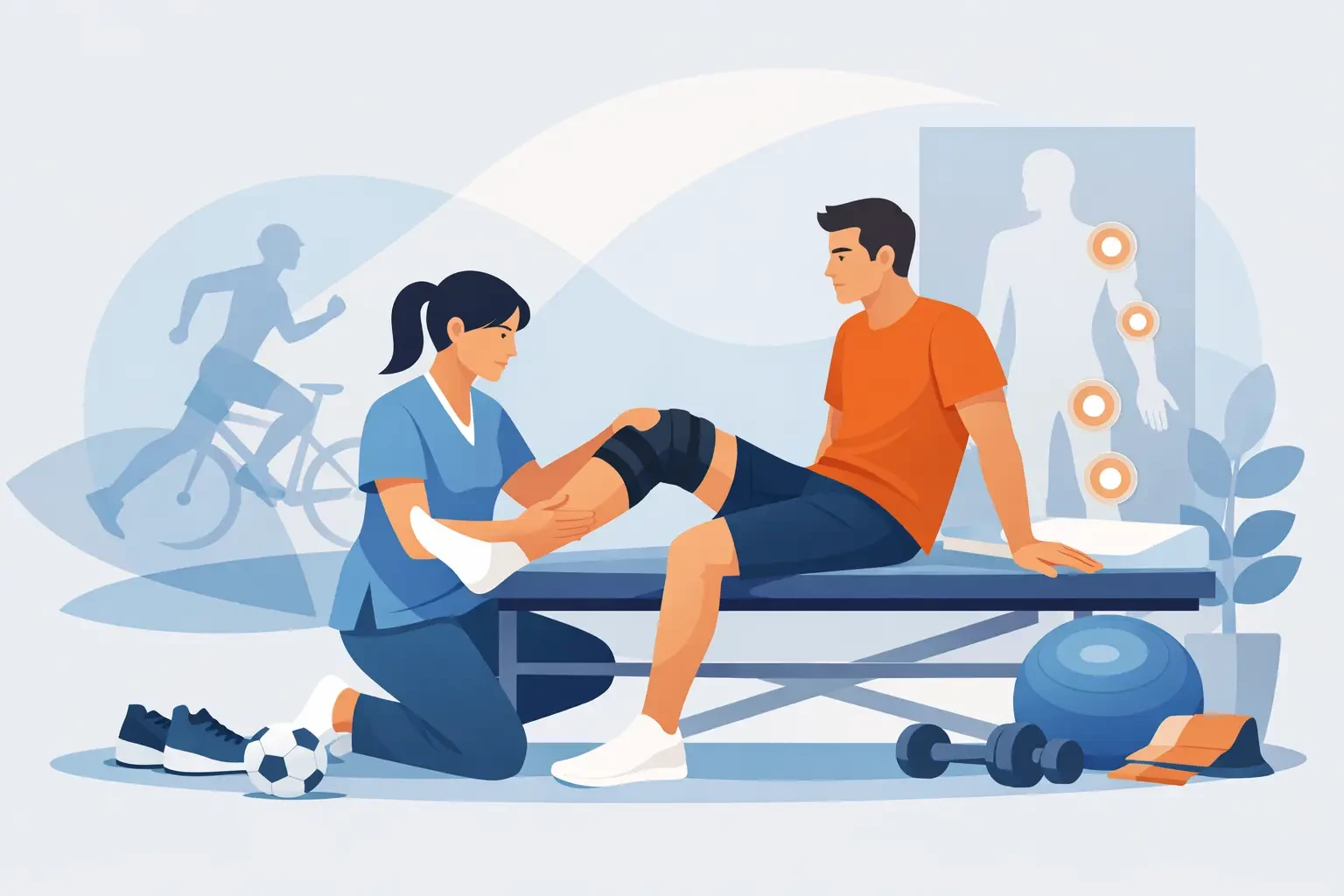
That first day you feel almost normal after an injury can be the trickiest one. The swelling is down, the sharp pain has softened, and your running shoes, gym bag, or pickleball paddle are calling your name. But feeling better is not always the same as being ready. Physiotherapy after sports injury helps close that gap by rebuilding the mobility, strength, coordination, and confidence your body needs for a steadier return.
Whether the injury happened during a weekend tournament, a heavy lift, a long run, or a spontaneous game with the kids, recovery is more than waiting it out. It is a chance to understand what your body needs, restore healthy movement patterns, and give the affected area support without ignoring the rest of you.
Why rest alone may not be enough
Rest has a place, especially in the early days after an injury. A strained calf, sore shoulder, sprained ankle, or irritated knee may need time away from the movement that caused pain. Yet extended rest without a plan can leave muscles weaker, joints stiffer, and the nervous system more protective of the area than necessary.
That is where guided movement matters. Physiotherapy uses a personalized progression to help you do the right amount at the right time. Too much too soon can flare symptoms. Too little for too long can make the return feel harder than it needs to be. The sweet spot depends on the injury, your health history, your sport, and what your everyday life asks of you.
For example, a recreational runner with ankle pain may need calf strength, foot control, hip stability, and a gradual return-to-running plan. A tennis player with shoulder discomfort may need to improve shoulder-blade control, thoracic mobility, and how they generate force through the trunk and legs. The painful spot matters, but it is rarely the whole story.
What physiotherapy after sports injury can support
Physiotherapy is not about pushing through pain or putting you through a generic set of exercises. It begins with listening: what happened, what movements hurt, what has changed since the injury, and what you want to get back to doing.
A thoughtful assessment can look at range of motion, strength, balance, walking or running mechanics, joint mobility, muscle tension, posture, and the way your body handles simple sport-specific movements. This gives your provider a clearer picture of both the irritated tissue and the movement habits that may be keeping it stressed.
From there, treatment may include hands-on techniques, targeted mobility work, strength exercises, balance training, and gradual exposure to the movements you miss. The goal is not just to make a symptom quieter for a day. It is to help your body trust the movement again.
Pain relief is part of the plan, not the finish line
When you are hurting, getting relief matters. Gentle manual therapy, soft-tissue work, mobility techniques, and recovery-focused care can help ease guarding and make movement feel more available. But pain relief is only one layer of recovery.
Once symptoms begin to settle, your plan should evolve. You may progress from simple range-of-motion exercises to controlled loading, then to single-leg work, changes of direction, jumping, lifting, or other movements that match your activity. This is where recovery becomes more functional and much more personal.
Strength and stability help protect your return
After an injury, the body often finds clever little workarounds. You may shift weight away from one leg, grip through your neck and shoulders, shorten your stride, or rely on your stronger side without realizing it. Those compensations can be useful temporarily, but they can also create new tension patterns.
Physiotherapy helps identify and retrain these patterns. Building strength around an injured area can improve its capacity to handle force. Stability work can improve control when you land, pivot, reach, or react. Mobility work can help nearby joints contribute as they should, so one area is not doing all the work.
Recovery should match your sport and your real life
A return plan for a competitive soccer player will not look exactly like one for a parent who wants to get through a workout class without knee pain. Both deserve care that respects their goals.
A good progression considers the demands of your activity. Runners need repeated impact tolerance. Golfers need rotation and control. Weightlifters need confidence under load. Pickleball players need quick lateral movement and balance. Even if your sport is simply staying active enough to feel like yourself, the plan should reflect that.
It also needs to fit into your life. The most effective program is not necessarily the longest or fanciest one. It is the one you can follow consistently between appointments. A few focused exercises performed well can be more valuable than an ambitious routine that never leaves the notes app.
A whole-body approach can make recovery feel more connected
Sports injuries do not happen in a vacuum. Poor sleep, work stress, long hours at a desk, old injuries, limited recovery time, and changes in training volume can all influence how your body feels and heals. A sore hip may be shaped by stiff ankles. Shoulder tension may be amplified by a forward-head work posture. A low-back flare-up may become more persistent when stress keeps the nervous system on high alert.
At Align, physiotherapy can be part of a coordinated, non-surgical recovery plan that considers those layers. Chiropractic care may support spinal and joint mobility when appropriate. Acupuncture can be a calming option for pain and muscle tension. Cupping and hands-on soft-tissue care may help address areas that feel restricted or overworked. Lifestyle guidance can help you make room for sleep, hydration, nourishment, and realistic training changes.
These services are not a shortcut around progressive movement. They are supportive tools that may help your body feel more comfortable and prepared to participate in the work of recovery. The best combination depends on your symptoms, preferences, and response to care.
Know when to slow down and get evaluated
A little muscular fatigue during rehabilitation can be normal. Sharp pain, worsening swelling, numbness, tingling, giving way, loss of strength, or pain that significantly changes how you walk or use a limb deserves attention. The same is true if you heard a pop at the time of injury, cannot bear weight, have a visibly deformed joint, or feel unwell after a head impact.
Physiotherapy can work beautifully alongside medical evaluation, imaging, or specialist care when those are needed. Getting the right diagnosis is not being dramatic. It is good teamwork for your body.
How to make your recovery plan work harder for you
Be honest about what your body is telling you. If an exercise creates lingering pain that is noticeably worse later that day or the next morning, tell your provider. If it feels too easy, say that too. Rehabilitation is meant to be adjusted, not endured in silence.
Keep your focus on trends rather than perfect days. Recovery is often a little wiggly. You may feel great after one session and tighter after a busy workday, poor night of sleep, or unusually active weekend. That does not automatically mean you are back at square one. It may simply mean your body needs a small adjustment in load, recovery, or pacing.
Most of all, resist the urge to test your limits every time you have a good day. Consistent, gradual progress is less glamorous than a heroic comeback, but it is usually kinder to your joints, muscles, and confidence.
Your sport does not have to be elite-level to deserve thoughtful recovery. When your body is given the right blend of care, movement, and patience, getting back to what you love can feel less like a gamble and more like a return to your own rhythm.
Find your next step at ALIGN
Our Frisco team can help you explore care that fits your needs. Request an appointment or explore our services.
This article provides general information and does not replace individualized medical advice.