Λ
Chiropractic Versus Massage for Stiffness
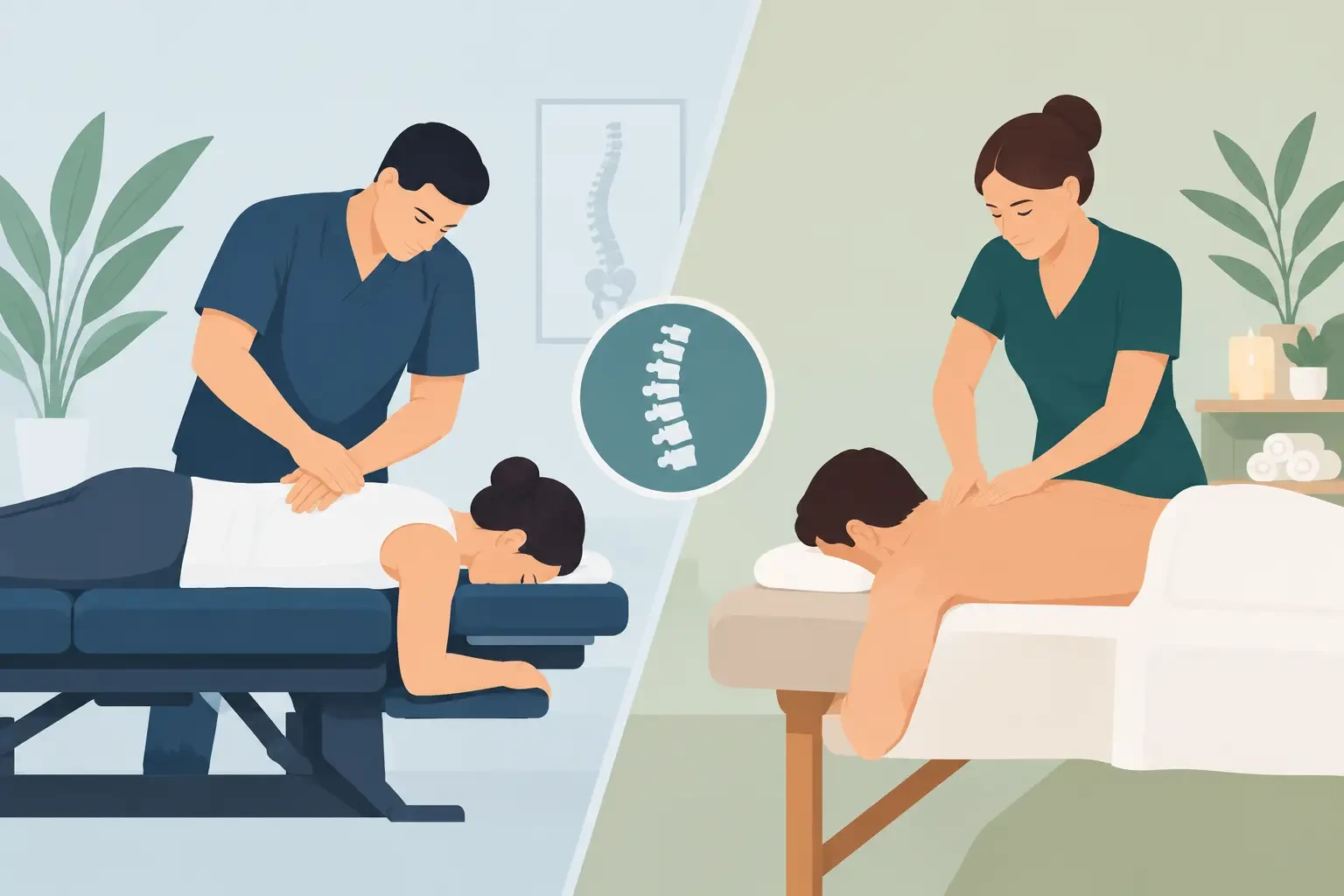
That neck turn that suddenly feels too small. The low back that objects after a long day at the laptop. The hips that make getting out of the car feel unnecessarily dramatic. Stiffness can be frustrating because it is rarely just one thing. When considering chiropractic versus massage for stiffness, the best choice depends on whether your body is asking for more movement, less muscle guarding, or a little of both.
Chiropractic care and massage are often grouped together because both are hands-on and can feel wonderfully restorative. But they approach the body from different starting points. Chiropractic care focuses on spinal and joint motion, alignment, and how the nervous system relates to movement. Massage focuses on muscles and soft tissues, helping reduce tension and improve comfort in areas that feel overworked or guarded.
Neither option is automatically “better.” The more useful question is: what kind of stiffness are you feeling, what may be driving it, and what would help you move through daily life with more ease?
Chiropractic versus massage for stiffness: the key difference
Stiffness is not always a sign that something is out of place or that a muscle simply needs to be rubbed out. It can develop after long periods of sitting, repetitive workouts, a new training routine, poor sleep, stress, an old injury, or a day spent carrying a toddler on one hip. Your joints, muscles, posture, habits, and stress response all have a say.
Chiropractic care generally centers on restoring healthy motion in the spine and other joints. A chiropractor may use adjustments, mobilization, soft-tissue work, and movement guidance to address areas that are not moving comfortably or efficiently. When a joint feels restricted, surrounding muscles can tighten to protect it. Improving joint mobility may help the body stop working quite so hard to brace itself.
Massage therapy works more directly with the muscles and connective tissue. Depending on the technique, it may calm muscle tension, improve circulation, ease the sensation of soreness, and support relaxation. For someone whose stiffness feels like a tight band across the shoulders or heavy legs after a workout, massage may be the more immediately soothing fit.
Think of it this way: chiropractic care often asks, “How is this area moving?” Massage often asks, “How is this tissue feeling and holding tension?” In many real-life cases, those questions belong in the same conversation.
When chiropractic may be the better starting point
Chiropractic may make sense when stiffness feels connected to limited joint movement, posture changes, or recurring spinal discomfort. Perhaps you can feel that your mid-back does not rotate well when you look over your shoulder, or your neck gets cranky after every long workday. Maybe your low back feels locked up after travel, even though stretching the area only gives brief relief.
A chiropractic assessment can look beyond the spot that hurts. For example, a stiff neck may involve upper-back mobility, workstation habits, jaw tension, sleep position, or the way you carry stress through your shoulders. A stiff low back may be influenced by hip mobility, core control, prolonged sitting, or a recent change in exercise.
This does not mean every stiff area needs an adjustment. Good care should begin with listening, assessment, and a plan that fits your comfort level and goals. Gentle mobilization, corrective exercises, ergonomic changes, or physiotherapy-based movement strategies may be part of the recommendation too.
Chiropractic can be especially helpful for people who want to improve how they move, not only how they feel for the next hour. It is a useful option when stiffness keeps returning in the same pattern or when you notice that your range of motion is getting smaller over time.
What a session may feel like
Some people associate chiropractic only with a quick adjustment and a popping sound. In reality, techniques vary. An appointment may include a movement assessment, hands-on joint work, soft-tissue techniques, and practical guidance for your desk, workouts, or recovery routine. You should always feel comfortable asking what a technique is for and whether there are gentler alternatives.
When massage may be the better starting point
Massage can be a beautiful choice when the main issue is muscle tightness, stress-related tension, or workout fatigue. If your shoulders feel like they have been trying to touch your ears all week, or your calves and glutes are sore after increasing your mileage, focused bodywork may help your system downshift.
It can also be a helpful reset during seasons when life is simply full. Stress changes the way we breathe, sleep, sit, and hold our bodies. That does not make stiffness “all in your head.” It means your nervous system and muscles are in close conversation, and sometimes they need a clear signal that it is safe to soften.
Massage is not limited to deep pressure. In fact, more pressure is not always more effective. Lighter, slower work can be a better match for someone who is sensitive, highly stressed, recently active, or already feeling tender. The right approach should leave you feeling more comfortable, not like you lost a fight with a foam roller.
For short-term muscular soreness and relaxation, massage may provide faster relief. If the same tightness returns quickly because a joint is restricted, your movement pattern has changed, or your daily setup is working against you, massage alone may not address the full picture.
Why combining care can make sense
The “either-or” framing of chiropractic versus massage for stiffness can be a little too tidy for a body that is wonderfully complicated. Joint restriction and muscle tension frequently show up together. A restricted upper back can contribute to neck and shoulder tension. Tight hip flexors can affect how the pelvis and low back move. Stress can make every area feel less forgiving.
An integrated plan can address both the immediate experience of stiffness and the factors that invite it back. Chiropractic care may support joint mobility and movement patterns, while massage or cupping can help calm guarded soft tissue. Physiotherapy-style exercises can build stability and confidence in that new range of motion. Acupuncture may be considered for some people seeking another non-surgical approach to pain and tension management.
At Align, care can be coordinated around the person in front of us rather than a one-size-fits-all menu. A runner preparing for a race may need recovery-focused soft-tissue support and hip mobility work. A parent with recurring neck tension may benefit from spinal care, posture strategies, and stress-reducing bodywork. The goal is not to collect treatments. It is to create a plan that makes everyday movement feel more available.
A practical way to choose
Start by noticing the character of your stiffness. If it feels like a specific joint will not move well, keeps showing up with certain postures, or limits turning, bending, or extending, chiropractic evaluation may be a smart first step. If it feels diffuse, muscular, stress-heavy, or tied to recent exertion, massage may be a natural place to begin.
Your preferences matter too. Some people want targeted movement correction and guidance they can apply at home. Others need an hour to breathe, soften, and recover from a demanding week. Many need both at different times.
Be honest about timing. Fresh soreness after a hard workout may respond well to gentler recovery work, while an ongoing stiffness pattern that has lasted weeks deserves a more thorough assessment. If you have an acute injury, severe or worsening pain, numbness, weakness, unexplained fever, loss of bladder or bowel control, dizziness, or symptoms after a significant fall or accident, seek prompt medical evaluation rather than booking a routine wellness session.
Make the relief last longer
Hands-on care can be powerful, but your between-visit habits help determine whether relief sticks around. Small changes tend to beat dramatic plans you abandon by Thursday. A few walking breaks during the workday, a better screen setup, consistent hydration, sleep that supports your body, and a realistic mobility routine can all make a difference.
Try not to treat stiffness as a personal failure or a signal that you need to push harder. Your body may be asking for movement, recovery, support, or a different rhythm. The most effective care plan is the one that respects that message and helps you return to the activities that make you feel like yourself.
Find your next step at ALIGN
Our Frisco team can help you explore care that fits your needs. Request an appointment or explore our services.
This article provides general information and does not replace individualized medical advice.