Λ
Plantar Fasciitis Relief That Starts at the Source
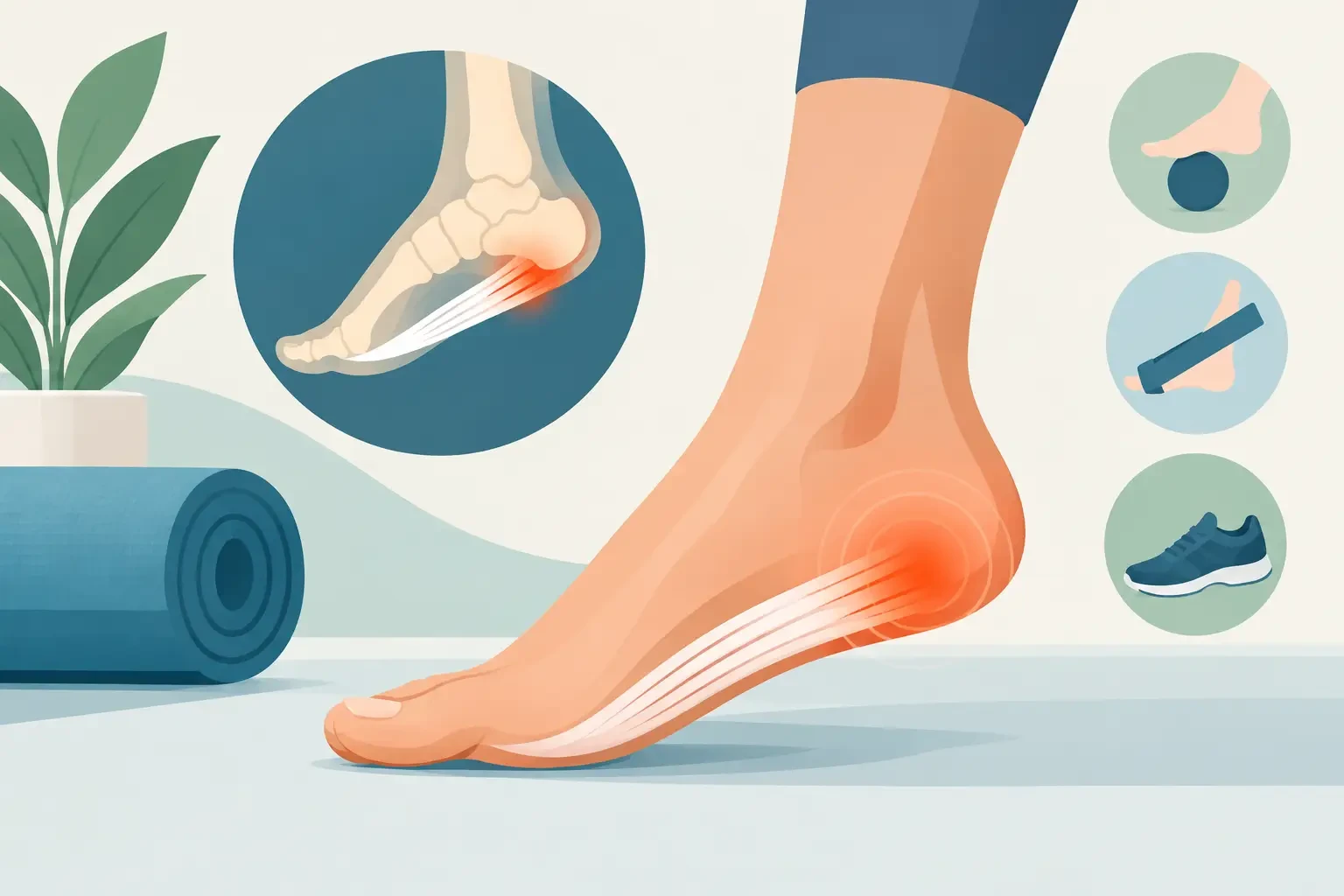
That sharp first-step pain in the morning can make a short walk to the kitchen feel wildly unfair. Real plantar fasciitis relief is not always about doing more stretches or buying another pair of inserts. It is about understanding why the tissue along the bottom of your foot is getting overloaded in the first place, then giving your body a better path to heal, move, and stay supported.
The plantar fascia is a thick band of connective tissue that runs from your heel toward your toes. It helps support the arch and manage the force created with every step. When that tissue becomes irritated, the heel or arch may ache after rest, during long periods on your feet, or after a workout. The discomfort may feel small at first, then become the thing that makes you rethink errands, exercise, and your favorite shoes.
Why plantar fasciitis can be stubborn
Plantar fasciitis is often described as a foot problem, but your feet do not work alone. They respond to what is happening above them: how your ankles move, how your calves carry tension, how your hips stabilize, how your spine and pelvis are positioned, and how much total demand your body is managing.
A sudden jump in walking, running, standing, or workout intensity can irritate the fascia. So can unsupportive footwear, tight calves, limited ankle mobility, changes in body weight, or long workdays spent standing on hard floors. Sometimes the issue is obvious, like training for a race in shoes that have seen better days. Other times, it is a quieter pileup of small stresses.
That is why a one-size-fits-all approach can feel frustrating. A stretch that helps one person may aggravate another. Complete rest may calm symptoms briefly, but it does not necessarily prepare the foot for the demands waiting when you return to normal life. The goal is not to baby your foot forever. It is to gradually improve its capacity while addressing the mechanics and habits feeding the irritation.
Plantar fasciitis relief begins with a full movement picture
A thoughtful plan starts with more than pointing to the sore spot. Your care team may look at how you walk, how your foot lands, whether one side of your body is working harder, and how much motion you have through the ankle and big toe. They may also consider the timing of your pain, your work setup, recent activity changes, and the shoes you wear most often.
For some people, calf tightness is a major player. When the calf and Achilles tendon do not lengthen well, the foot may compensate with every step. For others, weak or fatigued hips can change lower-body control, placing more stress through the knee, ankle, and foot. Even a lingering old injury can create a compensation pattern that eventually lands in the heel.
This is the kind of whole-body detective work that matters. Your painful heel deserves attention, of course. But treating only the heel can miss the reason it keeps getting asked to do too much.
Gentle hands-on care and mobility support
Chiropractic care and physiotherapy can support plantar fasciitis relief by improving joint motion and helping identify movement restrictions through the foot, ankle, knee, hip, and lower back. Gentle, individualized hands-on care may help reduce surrounding tension and make mobility work feel more productive.
The right approach depends on your presentation. If your foot is highly irritated, aggressive pressure and intense stretching are not automatically better. Early care may focus on calming the area, maintaining comfortable movement, and avoiding the boom-and-bust cycle of pushing through pain, then spending days recovering.
As symptoms settle, a plan can progress toward controlled strength and mobility. That might include foot and ankle exercises, calf mobility, balance work, hip stability training, and a gradual return to longer walks or workouts. Tiny improvements add up. Being able to stand comfortably while making dinner or take the dog around the block without bracing for pain is real progress.
Acupuncture and cupping for tension and recovery
When muscular tension, stress, or recovery needs are part of the picture, acupuncture and cupping may be useful additions to a personalized care plan. Acupuncture is often used to support comfort and relaxation, while cupping can help address areas of muscular tightness, especially in the calves and lower legs.
These modalities are not magic shortcuts, and they do not replace smart load management. Think of them as supportive tools that may help your body settle enough to move more comfortably and participate in the corrective work that creates longer-term change. Ancient wisdom and modern recovery can get along quite nicely.
Small daily changes that protect your feet
The most helpful home habits are usually the ones you can repeat without turning your life into a part-time rehab project. Consistency beats the occasional heroic session.
Start with footwear. Shoes should feel stable and comfortable for the activity you are doing, with enough support for your current symptoms. This does not mean every shoe needs to be stiff or bulky, but flimsy sandals and worn-out sneakers may not be your heel's best friend during a flare. If you are considering inserts or orthotics, personalized guidance can help you decide whether they make sense for your gait, comfort, and goals.
Be thoughtful about your morning steps. Because the fascia can tighten after rest, getting out of bed and immediately charging across a cold tile floor may trigger that familiar sting. A few gentle ankle circles, toe movements, and easy calf motions before standing can make the transition kinder. Keep the movements comfortable. Pain is feedback, not a character-building assignment.
Activity adjustment matters, too. You may not need to stop moving entirely, but you may need to temporarily scale back hill running, long walks, jumping workouts, or standing-heavy days. Low-impact movement can help you stay active while the tissue calms. Then, build back gradually instead of testing your foot with a sudden big weekend.
Sleep, stress, hydration, and recovery are not side notes. High stress can increase muscle tension and make pain feel more intense. Poor recovery can leave the body less prepared for repeated load. A wellness plan that supports nervous-system regulation alongside movement can be especially valuable when pain has started to affect your mood, sleep, or confidence.
When heel pain needs medical attention
Not every heel pain is plantar fasciitis. A stress fracture, nerve irritation, tendon issue, inflammatory condition, or other concern can create similar symptoms. Seek medical evaluation promptly if you cannot bear weight, have significant swelling, redness or warmth, numbness, fever, pain after a specific injury, or pain that is steadily worsening.
It is also wise to get assessed when heel pain lingers despite a few weeks of sensible changes, keeps returning, or interferes with everyday life. A clear diagnosis helps ensure your care plan fits what is actually going on, rather than guessing your way through another round of stretches.
Build a return-to-movement plan you can trust
The finish line is not simply waking up with less pain. It is feeling confident that your feet can support the life you want to live: workouts, family outings, workdays, travel, and those casual neighborhood walks that should never feel like a negotiation.
At Align, personalized care can bring together chiropractic support, physiotherapy, acupuncture, cupping, and practical lifestyle guidance based on your body and your goals. For Frisco-area adults who are tired of temporary fixes, an integrated plan can help connect the dots between foot comfort, mobility, recovery, and the way you move through every day.
Your feet carry you through a lot. Give them patient support, a little more room to recover, and a plan that looks beyond the sore spot.
Find your next step at ALIGN
Our Frisco team can help you explore care that fits your needs. Request an appointment or explore our services.
This article provides general information and does not replace individualized medical advice.
← Back to all articles