Λ
Nervous System Regulation Techniques That Help
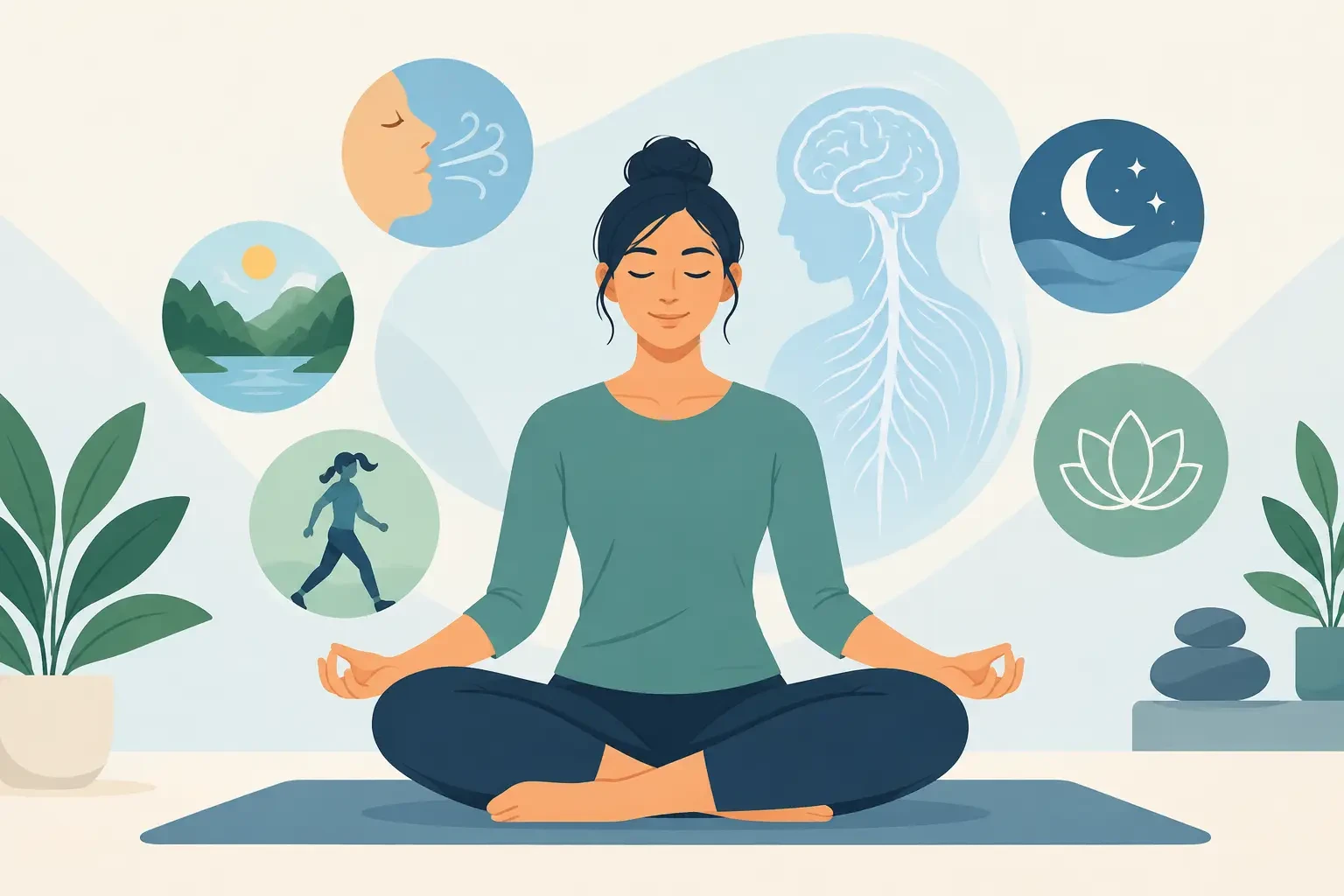
That tight jaw after a full day of meetings. The shoulders that seem to live near your ears. The strange feeling of being exhausted but unable to settle. These are often signs that your body has spent too long in high alert. Nervous system regulation techniques are simple, body-based ways to give your system a clearer message: you are safe enough to soften, breathe, move, and recover.
This is not about forcing yourself to be calm or pretending stress is not real. It is about building small moments of support that help your body shift out of survival mode. For many people, the most helpful starting point is not another item on the to-do list. It is learning to notice what your body needs before tension turns into pain, poor sleep, irritability, or a full-body energy crash.
What nervous system regulation actually means
Your autonomic nervous system helps manage automatic functions such as breathing, heart rate, digestion, and your stress response. When you feel threatened, rushed, overstimulated, or physically uncomfortable, your body may move into a protective state. That response can be useful in the short term. The challenge comes when there is little room to come back down.
A dysregulated system may look like anxious thoughts, shallow breathing, trouble sleeping, muscle guarding, digestive changes, headaches, or feeling checked out and low-energy. It can also show up as stubborn neck or back tension. The body does not always separate emotional stress from physical strain, which is why whole-person care matters.
Regulation does not mean you will never feel stressed. It means you develop more capacity to move through stress and return to a steadier baseline afterward. Think less “perfectly relaxed” and more “able to recover.”
Nervous system regulation techniques to try daily
The best technique is usually the one you can actually use when life gets busy. A two-minute reset done consistently can be more supportive than a complicated routine you only attempt once a month. Try a few options and notice what creates even a small sense of ease.
Start with a longer exhale
Your breath is one of the fastest ways to communicate with your nervous system. There is no need to take giant, dramatic breaths if that makes you lightheaded or more anxious. Instead, let your inhale be comfortable and make the exhale slightly longer.
For example, inhale gently through your nose for a count of four and exhale for a count of six. Repeat for one to three minutes. A long, unhurried exhale can help reduce the sense of urgency in your body. If counting feels distracting, simply imagine fogging a mirror slowly with your breath.
Give your eyes a break from close-up focus
Screens, deadlines, traffic, and constant notifications keep your eyes and attention locked onto near-range details. That can quietly reinforce a state of readiness. Pause by looking out a window, across a room, or toward the horizon for 30 to 60 seconds.
Let your eyes take in the wider space without hunting for anything specific. Notice a few colors, shapes, or points of light. This small practice is especially helpful between work tasks or before walking into your home after a long commute.
Use gentle movement, not punishment
When your body is buzzing with stress, intense exercise may feel amazing for one person and overwhelming for another. It depends on your energy, pain level, sleep, and current stress load. On high-stress days, gentle movement can be the kinder choice.
Take a slow walk without turning it into a step-count competition. Roll your shoulders, circle your hips, stretch your chest, or lie on the floor with your calves on the couch for a few minutes. Repetitive, comfortable movement helps your body release some of the bracing that builds up during long periods of sitting, standing, or pushing through.
Add pressure and warmth
The nervous system often responds well to safe, steady sensory input. A warm shower, heating pad, weighted blanket, soft sweatshirt, or a hand resting over your chest can create a grounding effect. Gentle self-massage around the jaw, temples, hands, or feet may also help you reconnect with areas that have been holding tension all day.
This is not about fixing every ache at home. It is about creating a pause where your body can stop gripping quite so hard. If pressure increases pain, numbness, or tingling, skip it and seek personalized guidance.
Name what is happening
Sometimes the fastest way to lower the intensity is to get specific. Instead of telling yourself, “I am a mess,” try, “My chest feels tight, my thoughts are racing, and I have not eaten or moved in four hours.” Naming the experience can make it feel more manageable and point you toward a practical next step.
You might need water, a snack with protein, ten quiet minutes, a walk, or a boundary around another request. Regulation is not only a breathing exercise. It is also responding to the real needs underneath your stress.
Why pain, posture, and stress often travel together
Your body is brilliantly protective, but it can get a little overenthusiastic. When you are under pressure, you may clench your jaw, shrug your shoulders, hold your breath, or brace through your low back without realizing it. Over time, those patterns can limit comfortable movement and make existing discomfort feel louder.
That does not mean pain is “all in your head.” Pain is real, and it can have many contributors, including injury, joint mechanics, muscular tension, repetitive strain, sleep quality, and stress. Nervous-system support is one piece of a bigger picture. It works best alongside care that addresses how your body moves, recovers, and adapts.
At Align, an individualized plan may combine chiropractic care, acupuncture, cupping, physiotherapy, and practical lifestyle guidance based on your goals and symptoms. Someone recovering from a workout-related flare-up may need a different approach than a parent carrying tension from poor sleep or a desk professional dealing with persistent neck stiffness. Your care should fit your actual life, not a generic wellness checklist.
Make regulation part of your routine
The goal is not to wait until you are completely overwhelmed. Add short resets to moments that already happen: before opening your laptop, after school pickup, between appointments, before a workout, or while you wait for coffee to brew. Tiny rituals are easier to repeat, and repetition is what helps your body learn a new pattern.
It can help to create a simple “when-then” plan. When you notice your shoulders rising, then take three slower breaths. When you finish work, then spend five minutes walking outside before scrolling. When you wake at 3 a.m., then place one hand on your chest and lengthen the exhale rather than immediately checking the time.
Be curious about what settles you. For some people, quiet helps. For others, quiet leaves too much room for racing thoughts, and a favorite playlist, light stretching class, or friendly conversation works better. There is no gold star for regulating the “right” way.
When extra support is a good idea
Home practices can be meaningful, but they are not a substitute for medical or mental health care when symptoms are severe, persistent, or disrupting daily life. Seek prompt medical attention for new chest pain, sudden weakness, fainting, severe headache, trouble breathing, or symptoms after a significant injury.
If anxiety, panic, trauma symptoms, depression, or sleep disruption feel hard to manage, a licensed mental health professional can be an essential part of your support team. Likewise, persistent pain, numbness, tingling, loss of balance, or reduced mobility deserves a thoughtful clinical assessment. Gentle self-care and professional care can work beautifully together.
Your nervous system does not need you to perform wellness perfectly. It needs more moments of safety, support, movement, nourishment, and rest. Start with one small practice that feels doable today, and let that be enough to begin.
Find your next step at ALIGN
Our Frisco team can help you explore care that fits your needs. Request an appointment or explore our services.
This article provides general information and does not replace individualized medical advice.
← Back to all articles