Λ
Cupping Therapy Benefits for Pain and Recovery
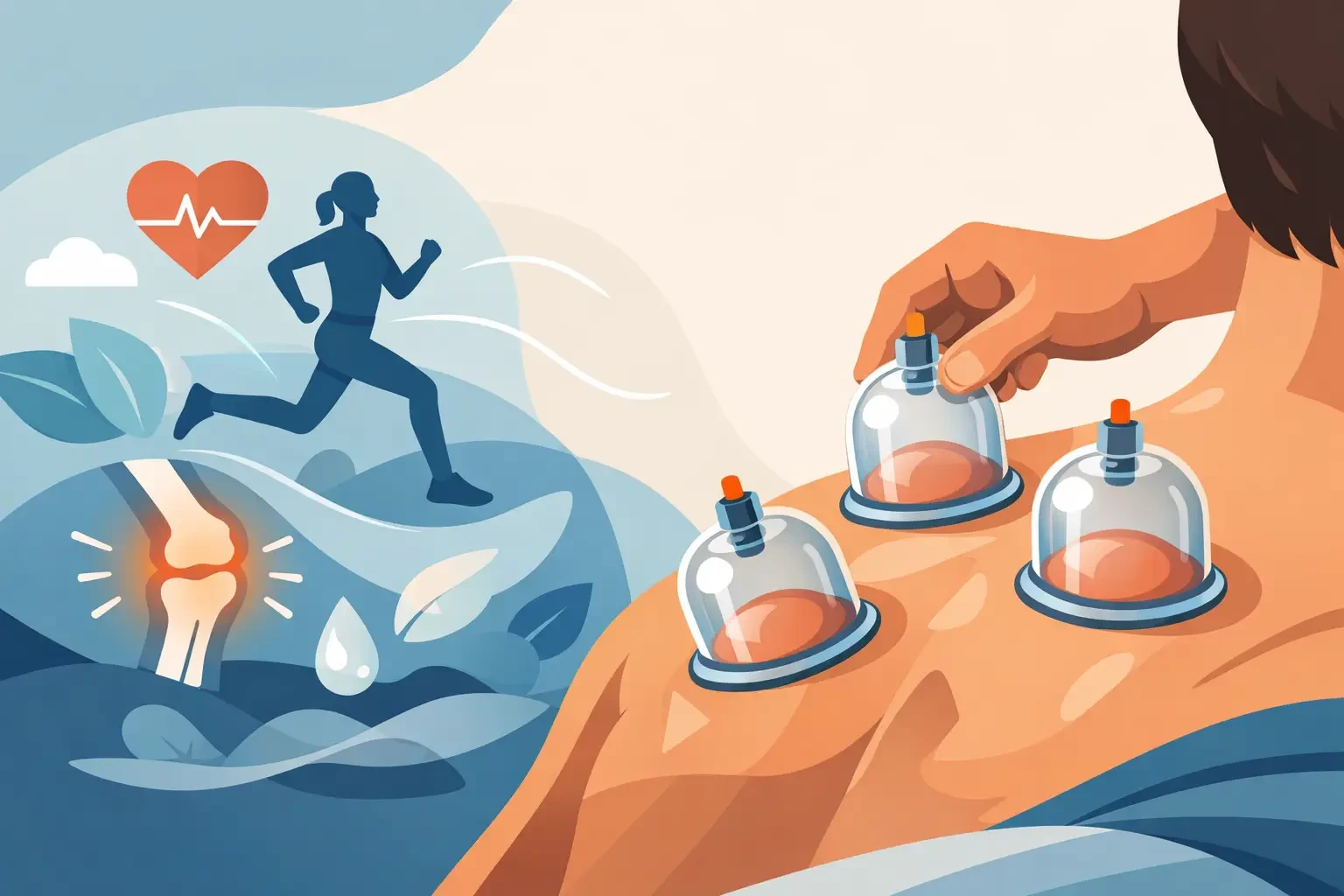
That tight, tugging feeling across your shoulders after a laptop-heavy week? The stubborn calf soreness that lingers after leg day? Sometimes a muscle needs more than stretching and hoping for the best. Cupping therapy benefits can include temporary relief from muscle tightness, a greater sense of ease in movement, and a deeply calming reset for a body that has been working overtime.
Cupping is not a magic fix, and it is not meant to replace medical evaluation for new, severe, or unexplained pain. It is a hands-on wellness modality that can fit beautifully into a personalized plan for recovery, mobility, and stress-related tension. For many people, it is also surprisingly relaxing. Yes, even with the famous circles.
What Is Cupping Therapy?
Cupping is an ancient therapy used across several healing traditions. A trained provider places cups on the skin and creates gentle suction. Rather than pressing into tissue like massage, the cups lift the skin and superficial tissues upward. This decompressive approach can create a distinct sensation of pulling, warmth, or release.
At a wellness visit, cups may stay in one place for several minutes or glide across an area with lotion. The approach depends on your goals, your sensitivity, and the part of the body being treated. A session for post-workout legs may feel quite different from one focused on neck and upper-back tension.
The round marks that can follow cupping are not bruises in the usual sense. They are temporary changes in skin color caused by suction and local capillary response. They can range from light pink to deep purple and often fade over several days to two weeks. They are a conversation starter, sure, but they are not a scorecard for how much healing happened.
Cupping Therapy Benefits for Tension and Mobility
The most common reason people try cupping is simple: their muscles feel stuck. Long commutes, screen time, repetitive work, intense training, poor sleep, and stress can all contribute to that heavy, restricted feeling in the neck, back, hips, and legs.
Cupping may help reduce the sensation of tightness by creating space in tissues that have been under constant load. Clients often describe feeling lighter, less pulled forward through the shoulders, or more comfortable turning their head after a session. When a tight area becomes easier to move, it can be more comfortable to follow up with corrective exercise, stretching, chiropractic care, or physiotherapy.
That last point matters. Mobility is not only about getting a bigger range of motion for one afternoon. It is about helping your body practice moving well over time. Cupping can be a helpful piece of that process, especially when paired with the right movement plan and daily habit changes.
It can complement recovery after activity
Hard workouts are not the only source of muscle fatigue. Gardening, carrying a toddler, weekend sports, a long flight, and standing all day can leave tissues feeling overworked. Cupping is often used as a recovery tool because the suction feels less compressive than deep massage in an already tender area.
Some people enjoy cupping after exercise to ease the feeling of soreness and stiffness. Others prefer it before an event or workout as part of a warm-up strategy designed to support comfortable movement. Timing depends on the person, the intensity of the activity, and whether the body needs calming, recovery, or activation.
Research on cupping for pain is still developing. Some studies suggest it may offer short-term pain relief for certain musculoskeletal concerns, while study quality and treatment methods vary. That is why honest, personalized care beats big promises. The goal is to see how your body responds and use that information to build a plan that makes sense for you.
It may help downshift a stressed nervous system
Stress does not only live in your calendar. It can show up as a clenched jaw, shallow breathing, elevated shoulders, headaches, restless sleep, or a back that never seems to soften. The slow, intentional experience of cupping can support the feeling of relaxation many people need before their body is ready to let go.
A treatment is not a substitute for sleep, mental health care, or changing an unsustainable schedule. Still, a quiet session can be a meaningful moment of body awareness. When you notice where you hold tension and what helps it settle, you have more information to carry into everyday life.
Where Cupping Fits in a Whole-Body Care Plan
One person’s tight hip can come from a demanding strength program. Another person’s tight hip may be related to prolonged sitting, an old injury, limited ankle mobility, or compensation from low-back discomfort. The same symptom does not always need the same treatment.
That is why cupping works best as part of coordinated care rather than a stand-alone menu item. Depending on what is contributing to your discomfort, a plan may include chiropractic adjustments, acupuncture, physiotherapy, guided mobility work, posture support, or lifestyle coaching. Cupping can help create a more comfortable starting point, but lasting change often comes from addressing the patterns that keep bringing tension back.
For example, someone with upper-back tightness may benefit from cupping around the shoulders, followed by movement work that improves thoracic mobility and practical changes to their desk setup. A runner with persistent calf stiffness may need cupping alongside strength work, training adjustments, and a closer look at footwear or recovery habits. It is all connected, because your body is not a collection of unrelated problem areas.
What a Cupping Session Feels Like
If you are cupping-curious but worried it will hurt, tell your provider before the session begins. The sensation is usually described as firm pulling or pressure, not sharp pain. The level of suction can be adjusted, and communication is part of good care.
Your provider should ask about your goals, symptoms, activity level, health history, and skin sensitivity. They will select the areas to treat and explain what you may feel. A session may last only a few minutes in one region or be included within a longer, customized appointment.
Afterward, drink water, keep gentle movement in your day, and give your body a little breathing room. Some people feel immediate looseness; others notice a change later that day or the next morning. Temporary tenderness, fatigue, or skin discoloration can occur. Skip intense heat over freshly cupped skin if it feels sensitive, and avoid scheduling cupping immediately before an occasion where visible marks would be a deal-breaker.
When Cupping May Not Be the Right Choice
Cupping is generally non-surgical and non-medication based, but natural does not mean right for everyone at every moment. It should not be performed over open wounds, irritated or infected skin, sunburn, a fresh injury, or areas with certain skin conditions. People with bleeding disorders, significant clotting concerns, or those using blood-thinning medication need medical guidance before treatment.
Pregnancy, active cancer treatment, recent surgery, severe swelling, fever, and unexplained symptoms also deserve thoughtful screening. If you have sudden weakness, numbness, chest pain, shortness of breath, severe headache, loss of bladder or bowel control, or pain after a serious accident, seek urgent medical care rather than booking a wellness session.
The best provider will never treat caution like a buzzkill. Screening is part of keeping your care supportive, appropriate, and centered on what your body actually needs.
How to Get More From Your Results
A single session can feel wonderful, especially before a busy week or after a demanding workout. But if tension keeps returning, curiosity is more useful than frustration. Notice when symptoms flare, how you sleep, how long you sit, what training feels like, and whether stress changes your posture or breathing.
Bring those observations to your appointment. They help turn a pleasant treatment into a more purposeful care plan. At Align, cupping can be integrated with other hands-on and movement-focused services so the goal is not merely to feel better for a day, but to support a body that moves through life with more ease.
Your body gives feedback all the time. Cupping can be a kind, effective invitation to listen to it, soften what has been gripping too hard, and make room for the next small step toward feeling more like yourself.
Find your next step at ALIGN
Our Frisco team can help you explore care that fits your needs. Request an appointment or explore our services.
This article provides general information and does not replace individualized medical advice.
← Back to all articles