Λ
Can Acupuncture for Back Pain Help You Move?
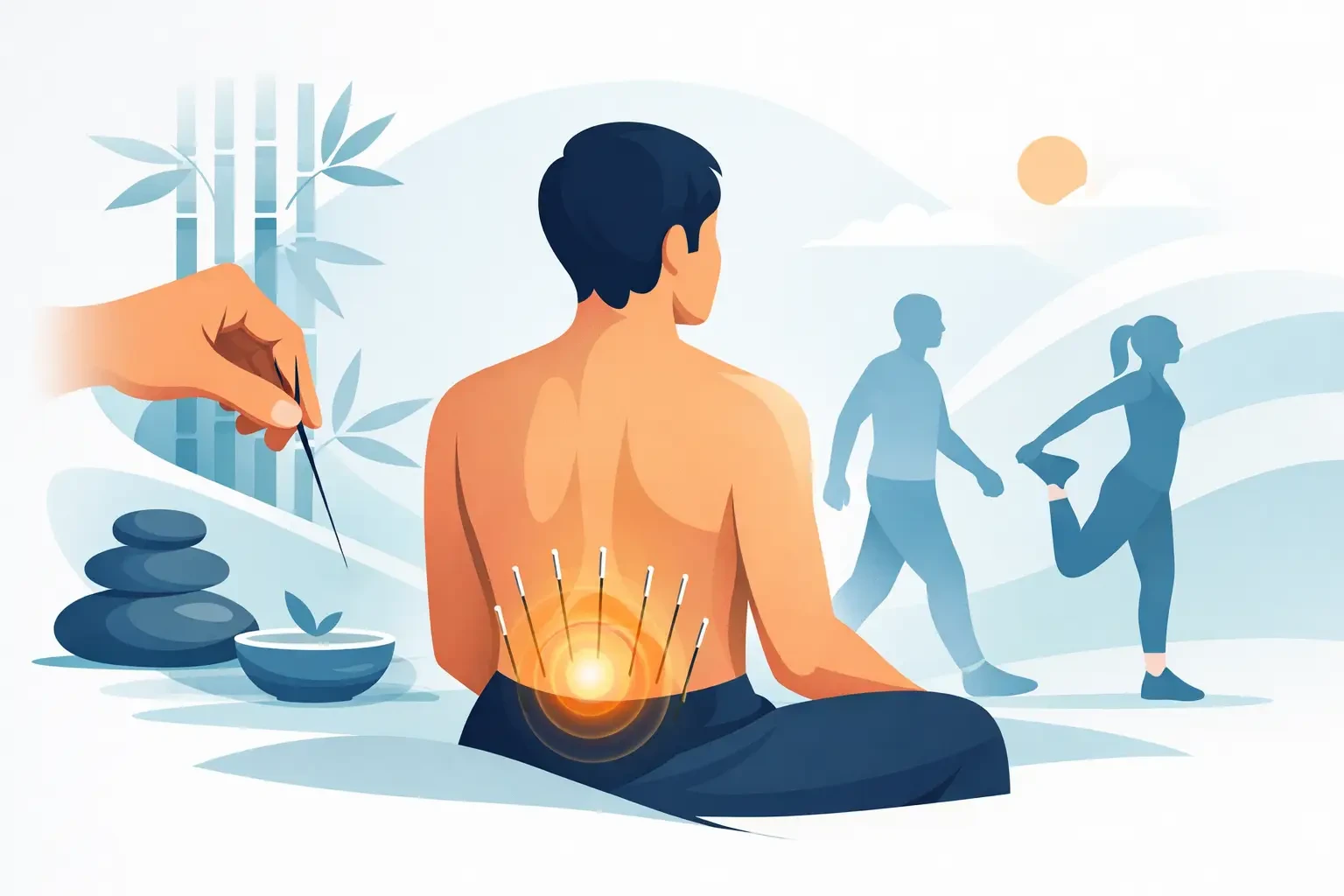
A back that protests when you roll out of bed, reach for a laundry basket, or sit through one more video call is not always asking for a bigger painkiller. Sometimes, it is asking for a different kind of attention. Acupuncture for back pain is a gentle, non-surgical option that may help calm tight muscles, support circulation, and give your nervous system a chance to turn down the volume on persistent discomfort.
For many people, back pain is not one neat problem with one neat cause. It can involve long hours at a desk, old injuries, protective muscle guarding, limited hip mobility, stress, sleep habits, and the way the spine moves during daily life. That is why a whole-body approach can feel refreshingly practical: care is built around how your body is functioning now, not just where it hurts.
How acupuncture for back pain may help
Acupuncture is a traditional healing practice in which very thin, sterile needles are placed at specific points on the body. In a modern wellness setting, it is often used to support pain relief, movement, relaxation, and recovery. The needles may be placed near the area of discomfort, but treatment can also include points in the hips, legs, hands, or other areas that relate to tension patterns and nervous-system regulation.
Research suggests acupuncture can be helpful for some people with chronic low back pain, particularly as part of a broader conservative care plan. Results vary, and it is not a magic wand for every back issue. Still, many clients notice that their muscles feel less guarded, movement feels easier, and their body settles more deeply after treatment.
One reason this matters is that pain can create a frustrating loop. You hurt, so you move less. Moving less can make tissues feel stiff and weak. Then ordinary movement feels more threatening, and the body tightens again. Acupuncture may help interrupt that loop by supporting relaxation and making it more comfortable to return to the healthy movement your back needs.
It is not only about the needles
A thoughtful acupuncture visit should begin with a conversation, not a guessing game. Your provider may ask when the pain started, what makes it better or worse, where you feel stiffness or tingling, how you sleep, how much you sit, and what your workouts or workdays look like. These details help shape a plan that fits your actual life.
During treatment, most people feel little more than a quick pinch or a subtle pressure as needles are placed. Once they are in, sensations can range from warmth and heaviness to a gentle ache or a deeply relaxed, floaty feeling. Some people feel looser right away. Others notice gradual changes over several sessions, especially when pain has been hanging around for months.
The back pain patterns that may respond well
Acupuncture is commonly explored for low back tension, chronic achiness, muscular spasms, stress-related tightness, postural strain, and stiffness that makes everyday movement feel like a chore. It can also be a supportive option during recovery from certain injuries, when guided by an appropriate evaluation and care plan.
It tends to make the most sense when the goal is to manage symptoms while improving function. Maybe you want to get through a workday without constantly shifting in your chair. Maybe you want to train, garden, travel, pick up your kids, or simply sleep without your back acting dramatic at 3 a.m. Those are meaningful goals, and they give treatment a direction beyond chasing a pain score.
The cause of pain still matters. A sore, tight back after a stressful week calls for a different strategy than pain related to a disc issue, inflammatory condition, fracture, or nerve compression. Acupuncture can be a useful part of care in many situations, but it should not replace medical evaluation when symptoms suggest something more serious.
Why an integrated plan often works better
Your back does not live in isolation. Tight hip flexors can change how your pelvis moves. A stiff upper back can make your low back work overtime. Stress can keep your shoulders elevated and your muscles braced long after the meeting, commute, or family chaos is over. Treating only the spot that hurts may bring short-term relief, but it can leave the bigger pattern untouched.
At Align, acupuncture can be thoughtfully paired with services such as chiropractic care, cupping, physiotherapy, and lifestyle guidance when appropriate. This does not mean every person needs every service. It means your plan can be built around what your body needs most.
For example, acupuncture may help settle acute muscle tension so gentle mobility work feels more accessible. Chiropractic care may support spinal and joint motion when restricted movement is part of the picture. Cupping may be used to address stubborn soft-tissue tightness, while physiotherapy can help you build the strength, control, and movement confidence that supports longer-lasting change.
The best plan is usually not the most packed schedule. It is the one you can follow consistently and that evolves as your symptoms, mobility, and goals change. A few simple changes at home can matter, too: taking short movement breaks, adjusting your workstation, learning a hip or thoracic mobility drill, or creating a wind-down routine that helps your nervous system stop carrying the day into bed.
What to expect after a session
Many people leave acupuncture feeling calmer, lighter, or pleasantly tired. Others feel energized. Mild soreness at a needle site, a small bruise, or temporary shifts in symptoms can happen, particularly if your muscles were very tight to begin with. Hydration, a nourishing meal, and an easier evening can help your body respond comfortably.
Try not to judge the entire experience only by how you feel in the first hour. Pay attention to practical changes over the next few days: Can you stand more comfortably while cooking? Is it easier to turn in the car? Did you sleep more soundly? Do you recover faster after a workout? Those small wins often tell a more useful story than a single moment of relief.
The number of sessions depends on the nature of your back pain, how long it has been present, your health history, and your goals. Recent muscular tension may improve quickly. Long-standing discomfort usually benefits from a more consistent course of care, followed by maintenance visits if they continue to support your comfort and mobility.
When to seek medical care first
Natural, non-invasive care has a valuable place, but some symptoms need prompt medical attention. Seek urgent evaluation for new bowel or bladder changes, numbness in the groin area, significant leg weakness, fever with back pain, unexplained weight loss, pain after a major fall or accident, or severe pain that is rapidly worsening.
You should also share your full health history before treatment, including pregnancy, bleeding disorders, use of blood-thinning medication, implanted medical devices, recent surgery, cancer history, and any neurological symptoms. A qualified provider can help determine whether acupuncture is appropriate and when coordination with your physician is the right next step.
Making space for a back that feels more like yours
Back pain can make your world feel smaller one skipped workout, one restless night, one cautious bend at a time. Care should help you reclaim those ordinary moments with more confidence, not make you feel like a project to be fixed. When acupuncture is paired with attentive assessment, supportive movement, and habits that fit real life, it can be a calming part of the path back to balance. Your body is allowed to need care, and it is allowed to feel good moving again.
Find your next step at ALIGN
Our Frisco team can help you explore care that fits your needs. Request an appointment or explore our services.
This article provides general information and does not replace individualized medical advice.
← Back to all articles