Λ
A Gentle Guide to Jaw Pain Relief That Lasts
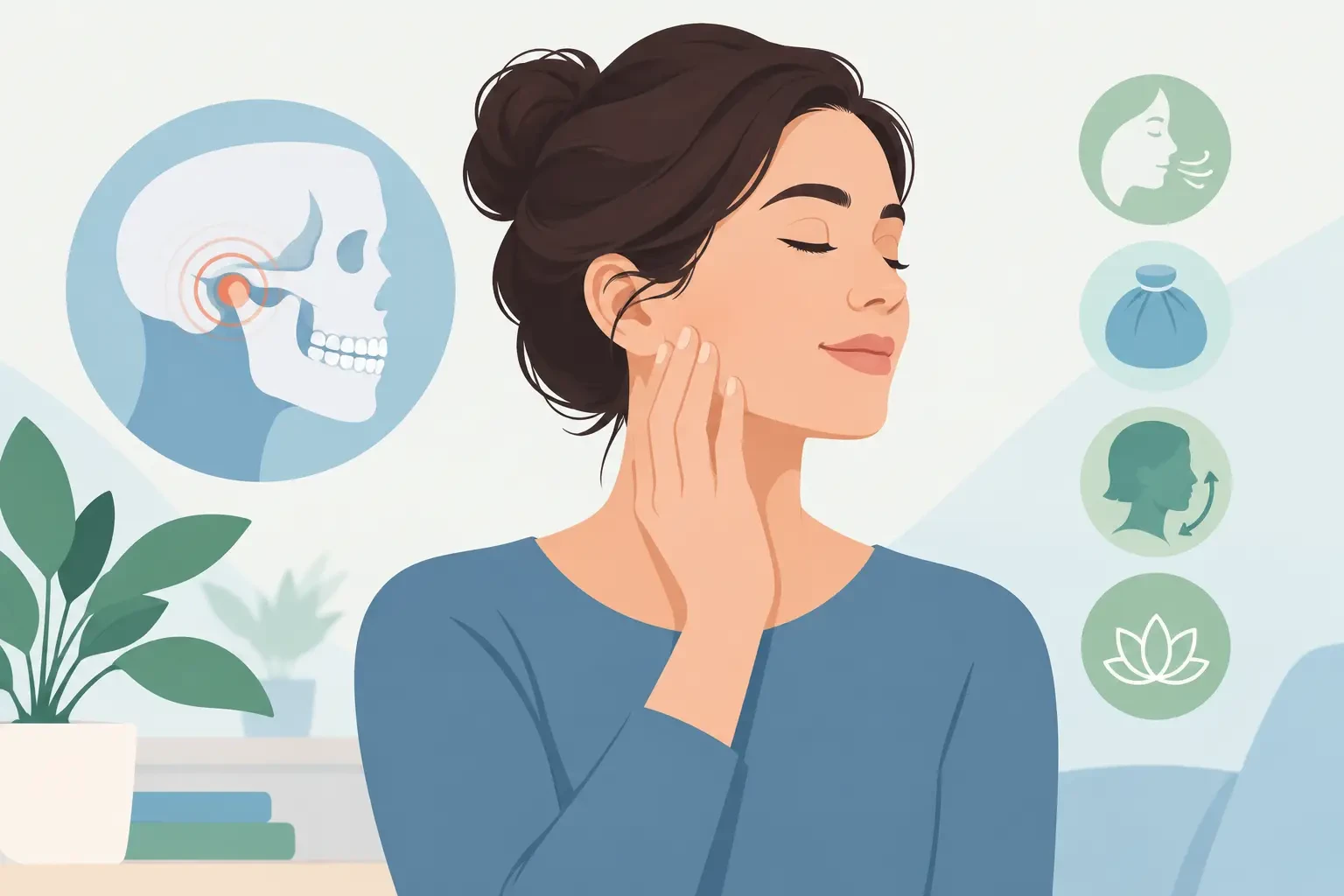
That sore spot beside your ear can make a normal morning feel surprisingly dramatic. Chewing toast, speaking in a meeting, yawning at the wrong moment - suddenly your jaw has opinions. This guide to jaw pain relief starts with a kinder approach: calm the irritated tissues, notice what may be feeding the tension, and give your body the support it needs to move more comfortably.
Jaw pain is common, but it is not always simple. The jaw is connected to the muscles of your face, neck, shoulders, and upper back, and it is influenced by stress, posture, breathing patterns, sleep, and daily habits. Lasting relief often comes from looking beyond the jaw itself.
Start by knowing when jaw pain needs prompt care
A tight or achy jaw after a stressful week may respond well to gentle self-care. Still, some symptoms need timely evaluation from a dentist, physician, or urgent care provider. Seek care promptly for severe or sudden pain, facial swelling, fever, a toothache with swelling, trouble swallowing or breathing, a jaw injury, numbness, or an inability to open or close your mouth normally.
Chest pressure, shortness of breath, nausea, sweating, or pain that spreads into the chest, shoulder, arm, neck, or jaw can be signs of an emergency. Call 911 rather than trying to stretch it out.
If jaw pain lasts more than a week or two, keeps returning, disrupts sleep, or comes with frequent locking, clicking, or changes in your bite, it is worth getting a professional assessment. A dentist can help rule out tooth, gum, or bite concerns. From there, a whole-body care plan may help address the muscular and movement pieces that often stay in the background.
Common reasons your jaw may be hurting
The temporomandibular joints, often called TMJs, are the small joints that connect your lower jaw to your skull. They do a lot of work every day, and they rely on a coordinated team of muscles to chew, speak, swallow, and yawn. Pain can show up when that system is overloaded, irritated, or not moving well.
Clenching and grinding are frequent culprits. Some people notice it during focused work or stressful traffic. Others do it at night and wake up with sore temples, tired cheeks, headaches, or tooth sensitivity. A night guard may be appropriate for some people, but it should be fitted or recommended by a dental professional rather than guessed at from a drugstore shelf.
Posture can matter, too. Hours spent looking down at a phone or leaning toward a laptop can bring the head forward and ask the neck and jaw muscles to work overtime. Tightness in the neck, upper traps, chest, and scalp can all make the jaw feel less free. Mouth breathing, allergies, poor sleep, gum chewing, nail biting, and suddenly eating chewy foods can add to the load.
Sometimes there is no single villain. That is actually useful news. It means relief does not have to depend on finding one perfect fix. Small changes across your routine can give the jaw a real break.
A practical guide to jaw pain relief at home
When your jaw is flared up, think soft, slow, and low effort. This is not the moment to force a big stretch or test how wide you can open. Irritated joints and muscles usually respond better to calm consistency than a heroic push.
Give your jaw a short vacation
For several days, choose foods that require less chewing, such as eggs, yogurt, soups, cooked vegetables, fish, smoothies, and tender grains. Cut sandwiches, apples, and other larger foods into smaller bites. Skip gum, chewy candy, tough steak, ice chewing, and anything that asks your jaw to work like it is auditioning for a workout montage.
Try to avoid resting your chin in your hand and opening extra wide when you yawn. If a yawn comes on, gently support the lower jaw with your hand and keep the movement comfortable.
Use warmth or cold based on what feels best
A warm compress can soothe tight, overworked jaw and neck muscles. Place a comfortably warm, damp towel along the cheek and temple area for 10 to 15 minutes. If the pain began after an obvious flare, injury, or swelling, a wrapped cold pack for shorter intervals may feel better.
There is no prize for picking the “right” temperature. Choose the option that reduces discomfort without irritating your skin, and never fall asleep with a heating pad or ice pack on your face.
Find a relaxed jaw position
Your teeth do not need to touch when you are resting. Let your lips close gently, keep a small space between your upper and lower teeth, and rest your tongue lightly on the roof of your mouth just behind your front teeth. Breathe slowly through your nose if you can.
Practice this position a few times a day, especially while driving, answering emails, or scrolling. A simple cue can help: “Lips together, teeth apart.” It sounds tiny, but many people discover they have been clenching all day without realizing it.
Calm the neck and nervous system, too
Jaw tension and stress often travel as a group. A few minutes of slow breathing can reduce the urge to brace. Try inhaling gently for four counts and exhaling for six counts, without forcing a deep breath. Let your shoulders soften on the exhale.
Gentle neck movement may also help if it does not increase symptoms. Slowly turn your head right and left, then tip each ear slightly toward its shoulder. Keep the range easy. If movement causes sharp pain, dizziness, tingling, or worsening jaw symptoms, stop and seek guidance.
Why forcing a stretch can backfire
Social media is full of jaw “releases” that promise fast relief. Some may feel good for a moment, but aggressive self-massage inside the mouth, forceful jaw opening, or repeated popping can aggravate sensitive tissues. The same goes for trying to crack your own neck or jaw.
Gentle external massage along the cheek, temple, and side of the neck is usually the safer starting point. Use light pressure and slow circles for a minute or two. If you find a tender spot, do not attack it. Breathe, soften your hand, and let the area settle.
Clicking alone is not always a problem, especially if there is no pain or loss of motion. Clicking plus pain, locking, or reduced opening deserves a closer look. Your body is communicating, not being difficult.
Build a plan that looks beyond the jaw
If your pain is tied to clenching, posture, stress, or recurring neck tension, a more connected approach can be helpful. Dental care may address tooth damage, bite concerns, infection, or a properly fitted oral appliance. Hands-on wellness care can support the muscular, spinal, and movement patterns surrounding the jaw.
At Align, individualized care may include chiropractic support for spinal alignment and mobility, physiotherapy for movement and muscle recovery, and acupuncture or cupping to help ease tension and support relaxation. The best combination depends on your symptoms, health history, daily demands, and what your body responds to. Not everyone needs every service, and that is the point: care should fit you, not the other way around.
Sleep is also part of the conversation. If you snore, wake unrefreshed, gasp during sleep, or suspect nighttime grinding, talk with a qualified provider. Breathing and sleep disruption can keep the nervous system on high alert and make daytime tension harder to unwind.
Make relief easier to maintain
Once pain settles, keep the habits that made your jaw feel safer. Set your screen closer to eye level, take short movement breaks during long work blocks, and notice whether caffeine, stress, or intense exercise tends to trigger clenching. If you wear a night guard, use it as directed and keep up with dental checkups.
You do not need a perfectly relaxed life to have a happier jaw. You just need more moments when your body gets the message that it does not have to brace. Start with one soft meal, one unclenched commute, and one slow exhale. Your jaw may be small, but giving it a little more room can change how your whole day feels.
Find your next step at ALIGN
Our Frisco team can help you explore care that fits your needs. Request an appointment or explore our services.
This article provides general information and does not replace individualized medical advice.
← Back to all articles