Λ
Top Benefits of Spinal Decompression for Back Pain
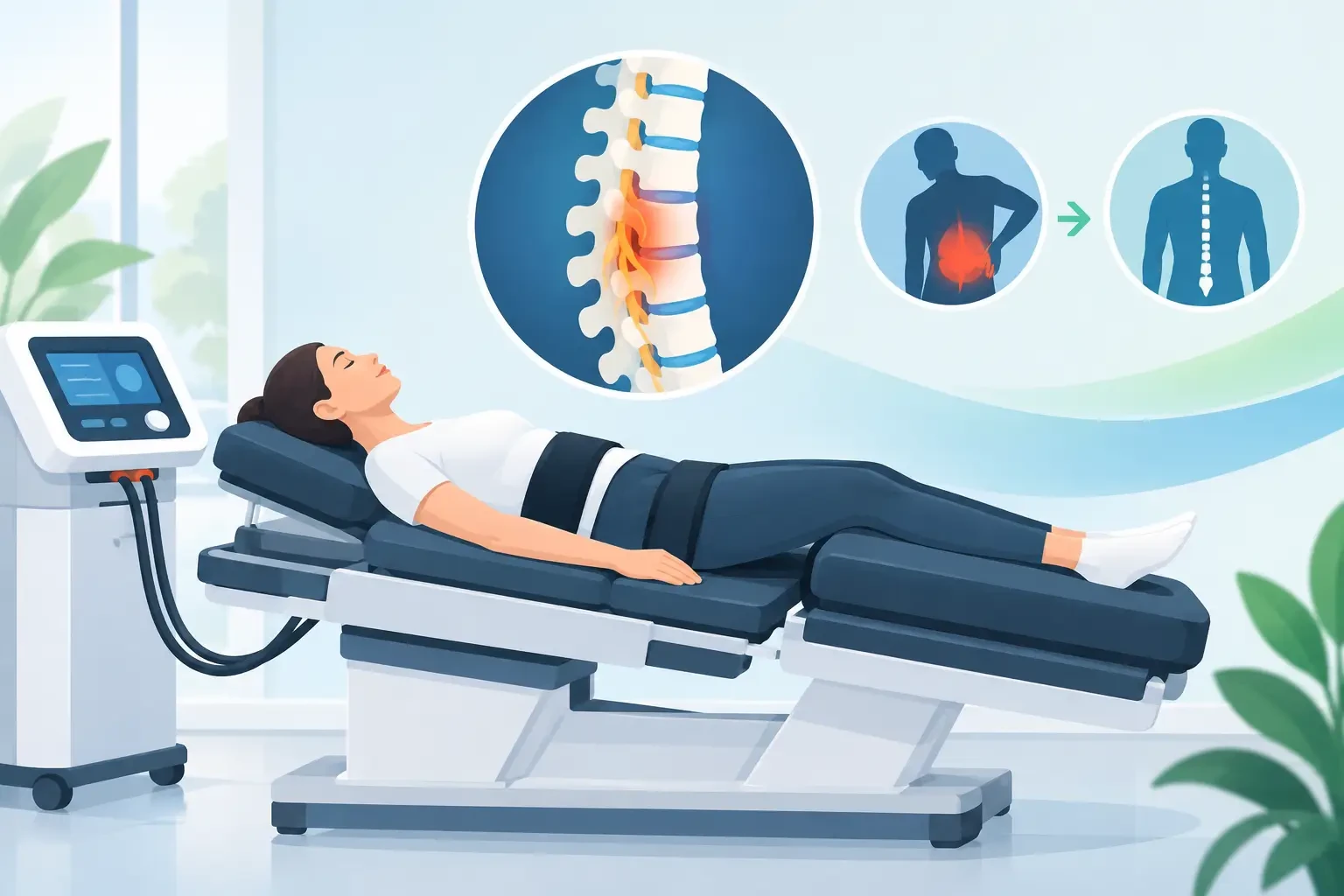
That pinch when you stand up from your desk. The low-back ache that makes a long car ride feel wildly unfair. The stiffness that shows up after a workout you used to breeze through. These are the moments that lead many people to ask about the top benefits of spinal decompression. For the right person, this gentle, non-surgical approach may help reduce pressure-related discomfort and make movement feel more available again.
Spinal decompression is not a magic table that fixes every kind of back pain in one appointment. It is a form of controlled traction, typically delivered with a specialized table, that gently lengthens and releases the spine in carefully timed cycles. The goal is to create a little more space, reduce strain on spinal structures, and support the body’s natural recovery process without surgery or a medication-first plan.
At Align, decompression is considered in the context of your whole body: how you move, sit, sleep, train, manage stress, and compensate when something hurts. Because your back does not live in a vacuum, even if it occasionally acts like the main character.
Top Benefits of Spinal Decompression
It may ease pressure-related back or neck discomfort
One of the most common reasons people seek decompression is discomfort related to pressure in the lower back or neck. Gentle traction can reduce compressive load on joints and discs for a period of time, which may help calm irritation and make everyday activities more tolerable.
People often describe pain differently. It may be a dull ache near the beltline, a feeling of tightness after sitting, or discomfort that seems to travel into the hip, glute, shoulder, or leg. Decompression is often most helpful when a provider has assessed the pattern of symptoms and determined that traction is appropriate. The goal is not to chase pain alone, but to understand what is contributing to it.
It can support mobility without forcing the issue
When the spine feels guarded, people naturally move less. They twist carefully, skip workouts, avoid bending, or brace themselves before getting out of bed. While rest can be useful briefly, long stretches of restricted movement may lead to more stiffness and muscle tension.
Spinal decompression can create a gentler starting point for mobility work. As the body becomes more comfortable with movement, physiotherapy and targeted exercises can help reinforce better patterns. That matters because a treatment session may offer relief, but the way you move between appointments helps determine whether that relief has staying power.
It may help certain disc-related symptoms
Spinal discs are the cushioned structures between vertebrae. They are designed to absorb load, but they can become irritated, dehydrated, or affected by age, repetitive strain, injury, and prolonged postural stress. Some people with disc bulges, herniations, or degenerative disc changes may be candidates for decompression as part of conservative care.
The theory behind mechanical decompression is that intermittent traction may reduce pressure within the disc and encourage fluid movement. That does not mean every disc issue resolves with traction, and it does not guarantee that imaging findings will change. What it can do, for some people, is support a more comfortable environment for healing and rehabilitation.
It gives the nervous system a chance to settle
Pain is physical, but it is also protective. When your nervous system senses a threat, it may create muscle guarding, tension, and a heightened sensitivity to movement. This is why a sore back can make your entire body feel on edge.
A calm, supported decompression session can help some clients shift out of that braced-up state. Pairing it with hands-on chiropractic care, acupuncture, cupping, breath work, or recovery-focused physiotherapy may further support relaxation and tissue recovery. The best combination depends on your symptoms, preferences, health history, and goals.
It offers a non-surgical option to explore first
For many people, conservative care is a sensible first step for uncomplicated back or neck pain. Spinal decompression is non-invasive, requires no anesthesia, and generally has little to no downtime. You can often return to normal daily activities afterward, with guidance about what to modify as your body recovers.
That said, non-surgical does not mean no effort. Meaningful improvement often involves a plan that includes movement, strength, ergonomics, sleep support, and realistic changes to the activities that keep poking the bear. If your work setup has you folded over a laptop for eight hours, your spine deserves more than one good appointment a week.
What a Spinal Decompression Session Feels Like
A decompression session should feel controlled and comfortable, not aggressive. You remain clothed while straps support your pelvis and torso on a specialized table. The table applies gentle traction and release cycles tailored to your body and tolerance.
Some clients feel a mild stretch through the low back, hips, or legs. Others simply notice that they can relax. You should not have sharp pain, worsening numbness, or a feeling that something is being forced. Let your provider know right away if anything feels off so the settings or approach can be adjusted.
A care plan may include several sessions over time rather than a one-and-done visit. Your response guides the plan. Some people notice changes quickly, while others need a slower, more layered approach that addresses strength, muscle tension, posture, and recovery habits alongside decompression.
Who May Be a Good Candidate?
A thorough assessment matters because spinal decompression is not the right fit for every ache. It may be considered for adults dealing with persistent low-back or neck discomfort, certain disc-related symptoms, sciatica-like irritation, stiffness from prolonged sitting, or a flare-up that has limited normal movement.
It may be especially appealing to active adults, busy parents, and professionals in Frisco and North Dallas who want to stay engaged in life while pursuing conservative support. If you are trying to get back to walking comfortably, training with confidence, picking up your kids, or surviving a workday without constantly shifting in your chair, a personalized plan can make the process feel much less overwhelming.
There are times when decompression should be avoided or postponed. Certain fractures, severe osteoporosis, spinal instability, active infection, some cancer-related conditions, recent spinal surgery, and specific pregnancy considerations may require a different approach. New bowel or bladder changes, saddle numbness, severe or progressive weakness, unexplained weight loss, fever, or pain after major trauma should be evaluated promptly by a medical professional.
Results Depend on the Bigger Picture
The most useful conversation is not, “Will spinal decompression fix me?” It is, “What is driving my symptoms, and what tools make sense for my body right now?” A good plan respects both questions.
Decompression may be one piece of care, not the entire puzzle. Chiropractic adjustments may support joint motion. Physiotherapy can rebuild strength and control. Acupuncture or cupping may help with muscular tension and stress-related tightness. Lifestyle guidance can address the overlooked basics: workstation setup, lifting mechanics, hydration, sleep, recovery days, and how often your phone is pulling your neck into a tiny question mark.
That integrated approach also keeps expectations honest. If pain comes from a mix of old injury, weak stabilizing muscles, high stress, and long sedentary days, one modality alone may not be enough. But when the plan fits the person, small changes can begin to add up in meaningful ways.
Your spine does a lot for you, including all the boring, beautiful basics of daily life. Giving it thoughtful support is not about chasing perfect posture or living in a bubble. It is about finding a path back to more ease, more confidence, and more freedom to move through your day.
Find your next step at ALIGN
Our Frisco team can help you explore care that fits your needs. Request an appointment or explore our services.
This article provides general information and does not replace individualized medical advice.