Λ
How Acupuncture Eases Muscle Tension Naturally
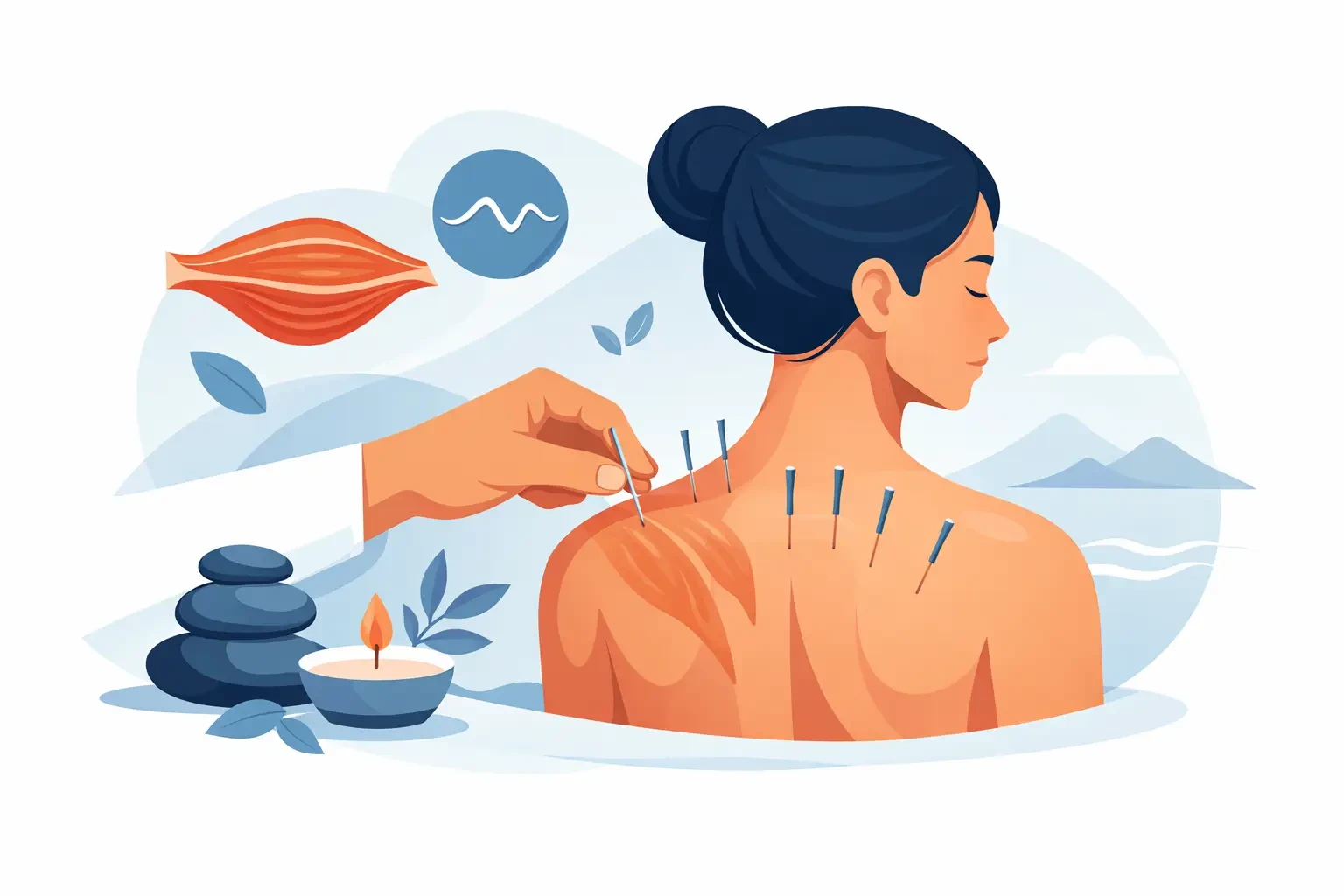
That knot between your shoulder blades may not be caused by your shoulder blades at all. A long commute, laptop posture, stressful deadlines, a hard workout, or a protective movement pattern after an old injury can all teach the body to stay braced. Understanding how acupuncture eases muscle tension starts there: it is not simply about making a tight spot relax. It is about giving your nervous system and muscles a better opportunity to shift out of their holding pattern.
For many people, muscle tension feels like a constant low-grade pull in the neck, jaw, low back, hips, or calves. It can limit a golf swing, make strength training less comfortable, turn a desk day into a headache, or leave you feeling like stretching never quite reaches the problem. Acupuncture is a gentle, non-surgical option that may help reduce that tension while supporting the bigger picture of movement, recovery, and stress regulation.
Why Muscles Get Stuck in “On” Mode
Muscles are meant to contract and release. But when the body senses stress, overload, pain, or instability, it may increase muscle guarding. This is a protective response, not your body being difficult. The trouble begins when that protection lingers long after the immediate trigger has passed.
A tight hip flexor after hours of sitting, for example, may be connected to reduced glute engagement, low-back irritation, shallow breathing, or a nervous system that has spent weeks running on high alert. The same goes for neck tension that returns every afternoon. Massage and stretching can feel wonderful, but if the body continues receiving the same stress signals, the relief may be short-lived.
This is why muscle tension benefits from a whole-person approach. The goal is not to force a muscle to behave. It is to understand why it is working overtime and create the conditions for more comfortable, confident movement.
How Acupuncture Eases Muscle Tension
Acupuncture uses very thin, sterile needles placed at carefully selected points on the body. From a traditional perspective, treatment supports the healthy flow and balance of the body’s systems. From a modern clinical perspective, needling may influence local tissue, circulation, pain signaling, and the nervous system’s response to stress.
The experience is personalized. A practitioner may choose points near the area of tightness, points farther away that relate to the movement pattern, or a combination of both. For a tense neck, that could mean treating the shoulders and upper back while also considering areas that affect posture, breathing, or the body’s broader stress response.
It helps interrupt protective muscle guarding
When a muscle is sore or feels threatened, the brain may keep sending signals that encourage it to stay contracted. Acupuncture may help modulate those signals, reducing the intensity of pain and guarding for some people. As discomfort settles, the body can be more willing to move through a fuller range of motion.
That does not mean one session erases every stubborn knot. If tension has been building for months or years, it often takes a series of treatments plus changes in movement, workload, sleep, and daily habits. Still, many clients notice a sense of ease that makes those next steps feel much more doable.
It supports circulation in tight, overworked tissue
Tense muscles can feel tender, heavy, or restricted. Needling may create a local response that supports blood flow and tissue recovery in the treated area. Better circulation is not a magic fix, but it can help create an environment where muscles receive the oxygen and nutrients they need and clear metabolic byproducts more efficiently.
This can be especially helpful after demanding workouts, repetitive work tasks, long travel days, or periods of reduced activity. The right approach depends on whether the tissue is simply overworked, actively inflamed, healing from an injury, or compensating for another issue.
It can calm the stress-tension loop
Stress does not only live in your calendar. It often shows up in your shoulders, jaw, breath, and sleep. When the nervous system spends too much time in a fight-or-flight state, muscles may remain subtly activated even when you are trying to rest.
Acupuncture is often used as part of a stress-support plan because many people find treatment deeply calming. During and after a session, the body may shift toward a more restful state. That shift matters because a nervous system that feels safer is generally less likely to keep every muscle on standby.
It makes movement-based care more effective
A tight muscle rarely exists in isolation. If pain or guarding has reduced your mobility, it can change how you squat, walk, reach, breathe, or sit. Acupuncture can help reduce the barriers that make corrective movement feel hard, allowing physiotherapy, mobility exercises, chiropractic care, or strength work to land better.
Think of it as turning down the volume on the body’s alarm system before asking it to practice a healthier pattern. The needling itself is only one piece. What you do with the improved comfort afterward is where longer-term change begins.
What a Treatment for Muscle Tightness May Feel Like
People are often surprised by how gentle acupuncture feels. You may notice a quick pinch as a needle is placed, followed by warmth, heaviness, tingling, or a dull sensation around the point. Some points may create a brief twitch or referral sensation, particularly when a muscle is very tight. You should always be able to communicate what you are feeling so treatment can be adjusted.
A typical session begins with a conversation about where tension shows up, what makes it better or worse, your activity level, stress, sleep, and relevant health history. Rather than treating a label like “tight back,” your provider looks for the patterns surrounding it.
Afterward, some people feel looser and calmer right away. Others notice a change over the next day or two. Mild soreness, temporary fatigue, or small bruises can occur, especially in sensitive or very tight areas. Hydration, light walking, and avoiding an unusually intense workout immediately after treatment can help your body settle into the response.
Acupuncture Works Best as Part of a Plan
Acupuncture can be powerful on its own, yet chronic tension often responds best to coordinated care. At Align, acupuncture may be paired with chiropractic care when spinal or joint mechanics are contributing to strain. Cupping can support soft-tissue recovery, while physiotherapy and personalized movement guidance help turn short-term relief into better everyday function.
The combination should fit your body and goals. An active adult recovering from a tough training block may need a different plan than a parent with recurring low-back tightness, a professional with tension headaches, or someone rebuilding confidence after an injury. More treatment is not automatically better. The best plan is the one that respects your symptoms, schedule, recovery capacity, and progress.
Small at-home adjustments can also extend the benefits. A few minutes of walking between meetings, a more supportive workstation setup, strength work that addresses weak links, and a wind-down routine that improves sleep can all reduce the reasons your body keeps bracing. No single stretch has to carry the whole job.
When to Get a Medical Evaluation First
Muscle tension is common, but not every ache is routine. Seek prompt medical evaluation for sudden weakness, numbness that is worsening, loss of bladder or bowel control, unexplained fever, severe pain after a fall or accident, chest pain, or shortness of breath. Acupuncture should complement appropriate medical care, not delay it.
Be sure to tell your acupuncturist about pregnancy, bleeding disorders, blood-thinning medications, implanted electrical devices, recent surgeries, infections, and any significant health changes. A qualified provider can help determine whether acupuncture is appropriate and tailor treatment safely.
Find your next step at ALIGN
Our Frisco team can help you explore care that fits your needs. Request an appointment or explore our services.
This article provides general information and does not replace individualized medical advice.
← Back to all articlesYour body does not need to earn relief by pushing through every tight, tired day. When tension keeps returning, a personalized acupuncture plan can offer a calm reset, then make room for the movement, recovery, and daily habits that help you feel at home in your body again.