Λ
How Physiotherapy Restores Joint Mobility
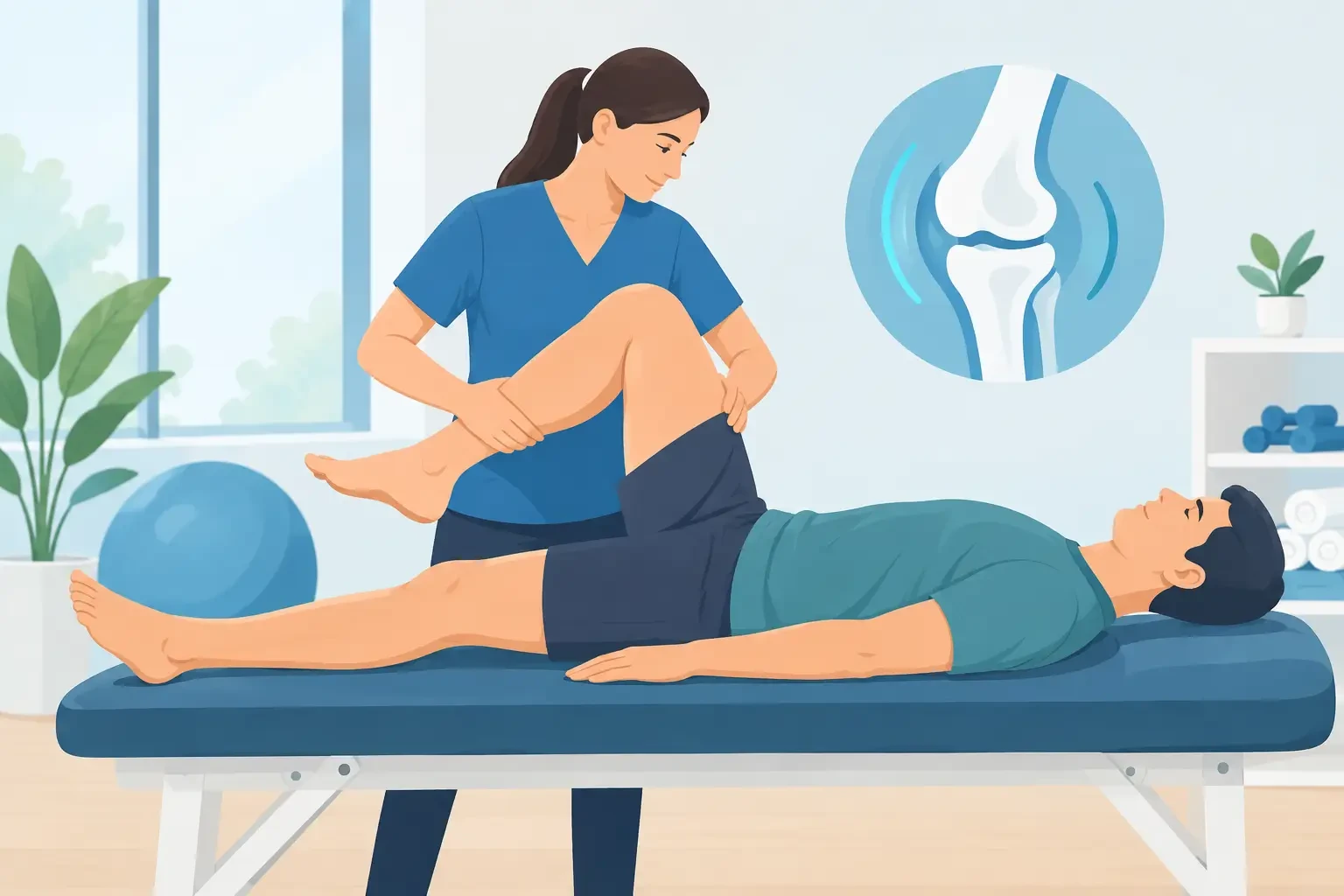
That familiar wince when you reach for the top shelf, turn to check your blind spot, or stand after a long day is not always about getting older. Often, a joint has become guarded, stiff, or under-supported by the muscles around it. Physiotherapy helps change that pattern. Understanding how physiotherapy restores joint mobility can make recovery feel far less mysterious and much more doable.
Joint mobility is not about forcing your body into deeper stretches or chasing impressive flexibility. It is about helping a joint move comfortably, with control, through the range you need for real life: lifting a child, playing pickleball, sitting through a meeting, working out, or simply sleeping without constantly repositioning.
Why Joints Lose Their Easy, Natural Motion
A stiff joint rarely has just one cause. An ankle may stay guarded after a sprain. A shoulder can tighten after months at a desk. A hip may lose motion when back discomfort changes the way you walk. Even stress can join the party, encouraging your neck, jaw, shoulders, and upper back to hold more tension than they need.
Pain also changes movement. When your nervous system senses a threat, it may limit motion to protect the area. That protective response can be helpful at first, but when it lingers, the surrounding muscles may become weak, overactive, or poorly coordinated. The joint then gets less of the movement, circulation, and support it needs.
This is why a tight feeling does not always mean you simply need more stretching. Sometimes the issue is joint stiffness. Sometimes it is muscle guarding, poor control, swelling, old injury patterns, spinal mechanics, or a daily habit that keeps reloading the same area. A thoughtful physiotherapy plan looks at the whole picture instead of blaming one stubborn joint.
How Physiotherapy Restores Joint Mobility, Step by Step
Physiotherapy combines assessment, hands-on care, purposeful movement, and practical habit changes. The details vary by person, but the goal stays consistent: reduce what is limiting motion and build the strength and confidence to keep that motion.
It starts with the movement story
A good session is more than locating where it hurts. Your provider may look at how you sit, stand, squat, walk, reach, breathe, and move through the activity that aggravates you. They may also consider past injuries, training routines, work demands, sleep, stress, and the joints above and below the painful area.
For example, knee discomfort can be influenced by hip control or ankle mobility. A stiff shoulder may be connected to upper-back movement, rib mechanics, or how often you spend the day rounded over a laptop. This broader view helps create a plan that makes sense for your body and your goals.
Hands-on care helps reduce resistance to movement
When appropriate, a physiotherapist may use manual techniques to help tissues and joints move more freely. This can include gentle joint mobilization, soft-tissue work, assisted stretching, or other hands-on approaches designed to reduce guarding and improve available range of motion.
These techniques are not meant to be a quick fix that you need forever. They can create a more comfortable window for movement. Once the body feels safer moving, targeted exercises help teach it what to do with that new range.
Some people feel looser right away. Others notice gradual change over several sessions as irritation settles and the body adapts. Both experiences can be normal. The pace depends on the cause of the restriction, how long it has been present, and how consistently the joint can be supported between visits.
Targeted movement turns range into usable mobility
A joint can be moved passively on a treatment table and still feel unreliable when you use it on your own. That is why active movement is the heart of lasting progress.
Your plan may include controlled mobility drills, gentle strengthening, balance work, and exercises that retrain coordination. A shoulder program might pair upper-back movement with rotator cuff control. A stiff hip may need hip mobility alongside glute strength and better pelvic control. A recovering ankle may need calf mobility, foot strength, and balance before it is ready for quick cuts on the court.
The exercise itself is only part of the equation. The right dose matters. Too little challenge may not create change; too much too soon can flare an irritated joint. Physiotherapy gives you a way to progress without treating pain as something to push through at all costs.
Nervous-system support can make movement feel safer
Mobility is partly mechanical, but it is also neurological. Your brain and nervous system decide how much movement feels safe enough to allow. When pain, stress, poor sleep, or repeated flare-ups keep the system on alert, your body may respond with tension and protective stiffness.
Slow, controlled movement, breathing strategies, and gradual exposure to a previously uncomfortable task can help calm that alarm system. This does not mean the discomfort is “all in your head.” It means your body is protective for a reason, and care can address both the tissues and the protective response.
At Align, physiotherapy can be thoughtfully coordinated with services such as chiropractic care, acupuncture, cupping, and lifestyle guidance when they fit your needs. The purpose is not to stack treatments for the sake of it. It is to support pain relief, movement quality, recovery, and the daily habits that help results last.
Mobility and Flexibility Are Not the Same Thing
Flexibility describes how far a muscle or group of tissues can lengthen. Mobility includes that length, but it also includes joint motion, stability, coordination, and strength in the available range.
Think about someone who can easily touch their toes but has trouble controlling a squat, or someone with naturally loose shoulders that still ache when lifting overhead. More stretching alone may not solve either situation. They may need stability and motor control more than additional range.
On the other hand, a joint that feels blocked or stiff may benefit from carefully selected mobility work before heavier strengthening. It depends on what the assessment reveals. Personalized care beats a random collection of stretches saved from social media every time.
What Progress Often Looks Like
Restoring joint mobility is usually not a dramatic overnight moment. It often shows up in small, meaningful wins: getting out of the car without bracing, reaching overhead with less pinching, walking longer, returning to a favorite workout modification-free, or waking up with less stiffness.
Progress is not perfectly linear. A demanding workweek, a poor night of sleep, a long drive, or an enthusiastic return to exercise can temporarily bring symptoms back. That does not automatically mean you have undone your progress. It may simply mean the joint needs a more gradual load increase or a refreshed recovery routine.
Consistency matters more than perfection. A few minutes of well-chosen movement most days can be more useful than one intense session followed by a week of doing nothing. Your provider can help identify the smallest actions that create the biggest payoff for your schedule.
When Stiffness Needs Medical Attention First
Physiotherapy is valuable for many mobility concerns, but some symptoms need prompt medical evaluation. Seek urgent care for severe pain after significant trauma, visible joint deformity, inability to bear weight, sudden weakness, loss of bladder or bowel control, a hot and swollen joint with fever, or numbness that is rapidly worsening.
For ongoing stiffness, especially when it is paired with swelling, unexplained fatigue, repeated instability, or pain that is not improving, an assessment can help determine the right next step. You deserve clarity, not guesswork.
Your body is built to move, adapt, and recover. With patient hands-on care, smart strengthening, and a plan that respects your real life, joint mobility can become something you trust again - one comfortable, confident movement at a time.
Find your next step at ALIGN
Our Frisco team can help you explore care that fits your needs. Request an appointment or explore our services.
This article provides general information and does not replace individualized medical advice.
← Back to all articles