Λ
Is Spinal Manipulation Safe? What to Know
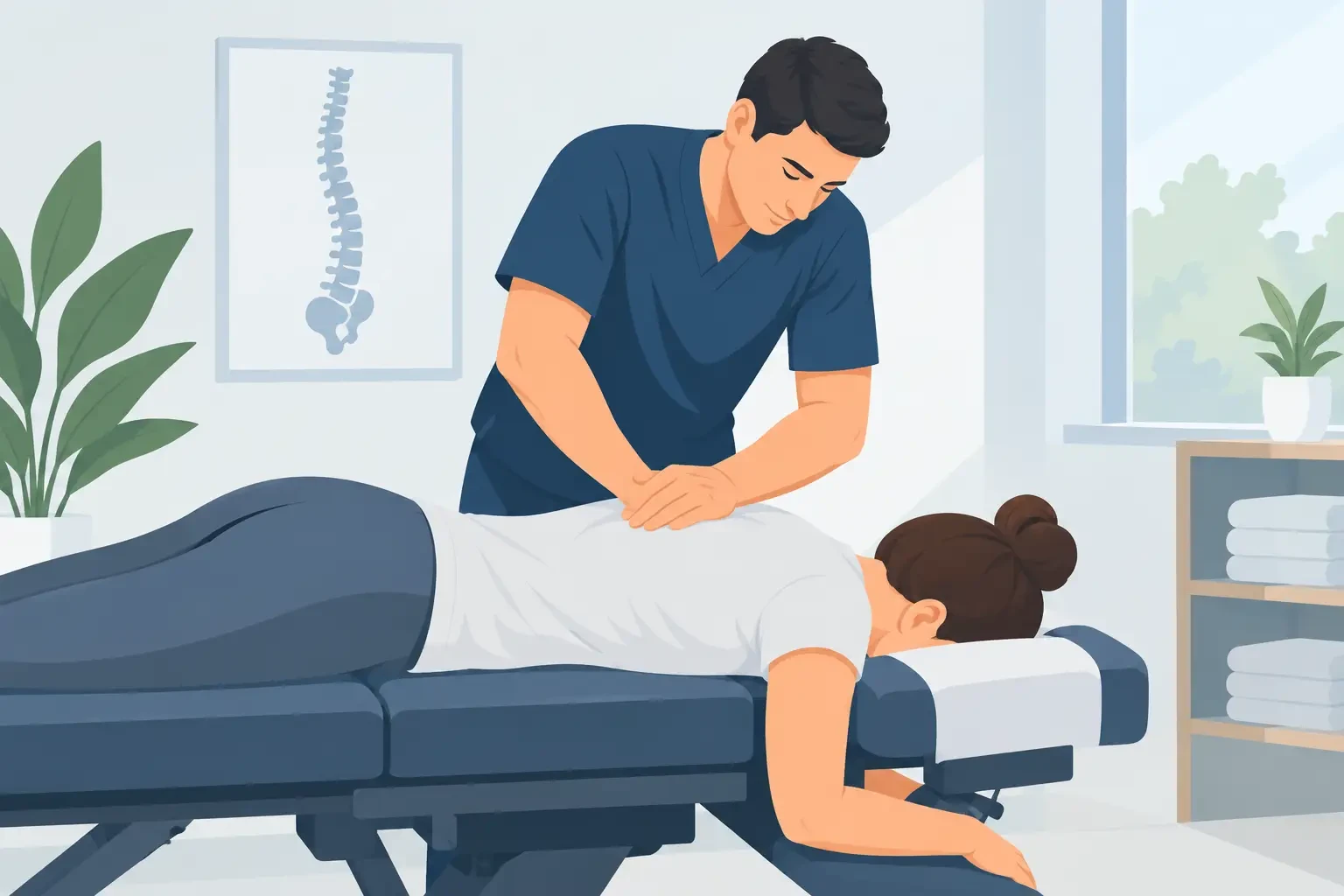
That satisfying pop is not the point. When your back feels tight, your neck is cranky after a day at the laptop, or your movement has started to feel smaller than your life, the real goal is to move more comfortably and confidently. So, is spinal manipulation safe? For many people, it can be a safe, non-surgical option when it is performed by a qualified professional after a thoughtful evaluation. But like any hands-on treatment, safety depends on the person, the area being treated, the technique used, and the quality of the screening that happens first.
Spinal manipulation is often part of chiropractic care, but it should never be treated as a one-size-fits-all fix. A good plan looks at your health history, symptoms, mobility, lifestyle, and goals before anyone decides whether an adjustment is appropriate.
Is Spinal Manipulation Safe for Most People?
For adults with common musculoskeletal concerns such as uncomplicated low back pain, certain types of neck discomfort, stiffness, or movement-related tension, spinal manipulation is generally considered low risk when delivered by a trained, licensed provider. Many people experience short-term relief in pain and muscle tension, along with improved range of motion and an easier time returning to everyday movement.
That said, “safe” does not mean “risk-free,” and it does not mean every person needs the same kind of care. A technique that feels great for one person may not be the right choice for another. Your body is allowed to have preferences. So is your medical history.
The most common side effects are mild and temporary. You may feel sore, tender, tired, or a little achy for a day or two, much like you might after trying a new workout. Some people also notice a temporary headache or brief increase in stiffness. These responses often settle with rest, hydration, gentle movement, and guidance from your provider.
Serious complications are uncommon, but they can occur. This is why a real assessment matters more than chasing a quick crack. Careful providers listen for red flags, explain what they are doing, and modify or avoid treatment when it is not a good fit.
The Neck Requires Extra Care
Neck manipulation gets the most attention in conversations about safety, and for good reason. Rare but serious vascular events, including stroke, have been reported around the time of cervical manipulation. The relationship is complex: sometimes a person may already have an artery problem that begins with neck pain or headache and then seeks care before the condition is recognized. That does not make screening optional. It makes screening essential.
A skilled provider should ask about sudden, unusual, or severe neck pain and headaches, as well as dizziness, vision changes, difficulty speaking, facial numbness, balance changes, weakness, and other neurological symptoms. These are not symptoms to push through in the name of wellness. They need urgent medical attention.
There are also plenty of ways to support the neck without high-velocity manipulation. Gentle mobilization, soft-tissue work, posture and ergonomic guidance, targeted physiotherapy exercises, breathing work, and recovery-focused modalities can all be part of a helpful plan. Sometimes the best adjustment is choosing a different approach.
Who Should Pause Before Spinal Manipulation?
Some conditions call for extra caution, a modified technique, medical clearance, or a completely different care plan. Spinal manipulation may not be appropriate when there is a known fracture, severe osteoporosis, spinal instability, active infection, certain cancers involving the spine, significant inflammatory disease, or a condition that affects bone strength or healing.
New or worsening neurological symptoms also deserve medical evaluation before manual treatment. That includes increasing weakness, numbness that is spreading, loss of coordination, bowel or bladder changes, or pain after a significant fall, crash, or other trauma.
Medication and health history matter, too. Blood thinners, prior spinal surgery, connective tissue disorders, pregnancy-related changes, and a history of vascular conditions can all influence what is safest. This does not automatically rule out chiropractic or manual care. It simply changes the conversation, which is exactly what personalized care is supposed to do.
If you have a complicated medical history, bring it up even if it seems unrelated to your back or neck. Your provider cannot tailor care around information they do not have. No gold stars are awarded for minimizing symptoms, cute as that may sound.
What Safe, Personalized Care Looks Like
A safe experience begins before any hands-on technique. Your provider should take time to understand your concern: when it started, what makes it better or worse, whether symptoms travel into your arms or legs, what activities you need to return to, and what your health history adds to the picture.
An appropriate evaluation may include movement testing, posture and functional assessment, neurological screening when indicated, and a discussion of treatment options. Imaging is not necessary for every ache or episode of stiffness, but it may be appropriate when there is trauma, suspected structural injury, concerning symptoms, or other clinical reasons to look deeper.
You should also know what is being recommended and why. Informed consent is more than a form with tiny print. It means you understand the intended benefits, possible side effects, meaningful risks, alternatives, and what the session will involve. You can ask for a gentler technique. You can decline a technique. You can say, “I’m not comfortable with that today.” All of those are normal parts of care.
At Align, the goal is not to force your body into an idea of perfect posture. It is to help you build more ease, resilience, and confidence in how you move. For some clients, that may include a chiropractic adjustment. For others, a better starting point may be physiotherapy, acupuncture, cupping, soft-tissue work, mobility support, stress-reduction strategies, or a blend of these approaches.
Why the Rest of Your Plan Matters
Spinal manipulation can be useful, but it works best as part of a bigger picture. A tight upper back may be connected to long workdays, a poorly arranged desk, shallow breathing under stress, weak movement patterns, disrupted sleep, or a training routine that has outrun recovery. Your spine lives in your body, not in isolation.
That is why lasting results often involve more than an adjustment table. Gentle strengthening can support the muscles that help you move well. Mobility work can make your daily movements feel less restricted. Lifestyle changes can reduce the habits that keep irritating the same area. Recovery therapies may help calm guarded muscles and support your nervous system when your body has been running on high alert.
This integrated approach also keeps expectations realistic. Manipulation is not a magic reset button, and you should be cautious of anyone who promises to cure every symptom, prevent every illness, or requires a long series of visits without explaining the purpose and progress markers. Good care should evolve as your body responds.
Questions Worth Asking Before Your Appointment
If you are considering spinal manipulation, it is reasonable to ask your provider what they think is causing your symptoms, whether they see any reasons to avoid treatment, and what technique they recommend. Ask what you may feel afterward, what symptoms would mean you should call the office or seek urgent care, and what alternatives are available.
You can also share your preferences upfront. Maybe you have had a rough adjustment elsewhere, feel nervous about neck techniques, or simply prefer a gentler approach. A provider who takes your concerns seriously is not being less effective. They are building care around the person in front of them.
When to Seek Medical Help Instead
Do not book a wellness appointment as your first stop for sudden severe headache or neck pain, chest pain, fainting, difficulty speaking, facial drooping, sudden weakness, new trouble walking, loss of bladder or bowel control, fever with severe back pain, or pain following major trauma. These symptoms can signal conditions that need urgent medical assessment.
For less urgent but persistent concerns, getting evaluated is still wise. Pain that repeatedly wakes you at night, unexplained weight loss, worsening numbness, or symptoms that do not improve with sensible self-care deserve a closer look.
The safest kind of care is care that respects both your goals and your signals. When spinal manipulation is thoughtfully selected, clearly explained, and paired with the right support for your whole body, it can be one useful tool for feeling more at home in your movement.
Find your next step at ALIGN
Our Frisco team can help you explore care that fits your needs. Request an appointment or explore our services.
This article provides general information and does not replace individualized medical advice.
← Back to all articles