Λ
Lifestyle Changes for Chronic Pain That Last
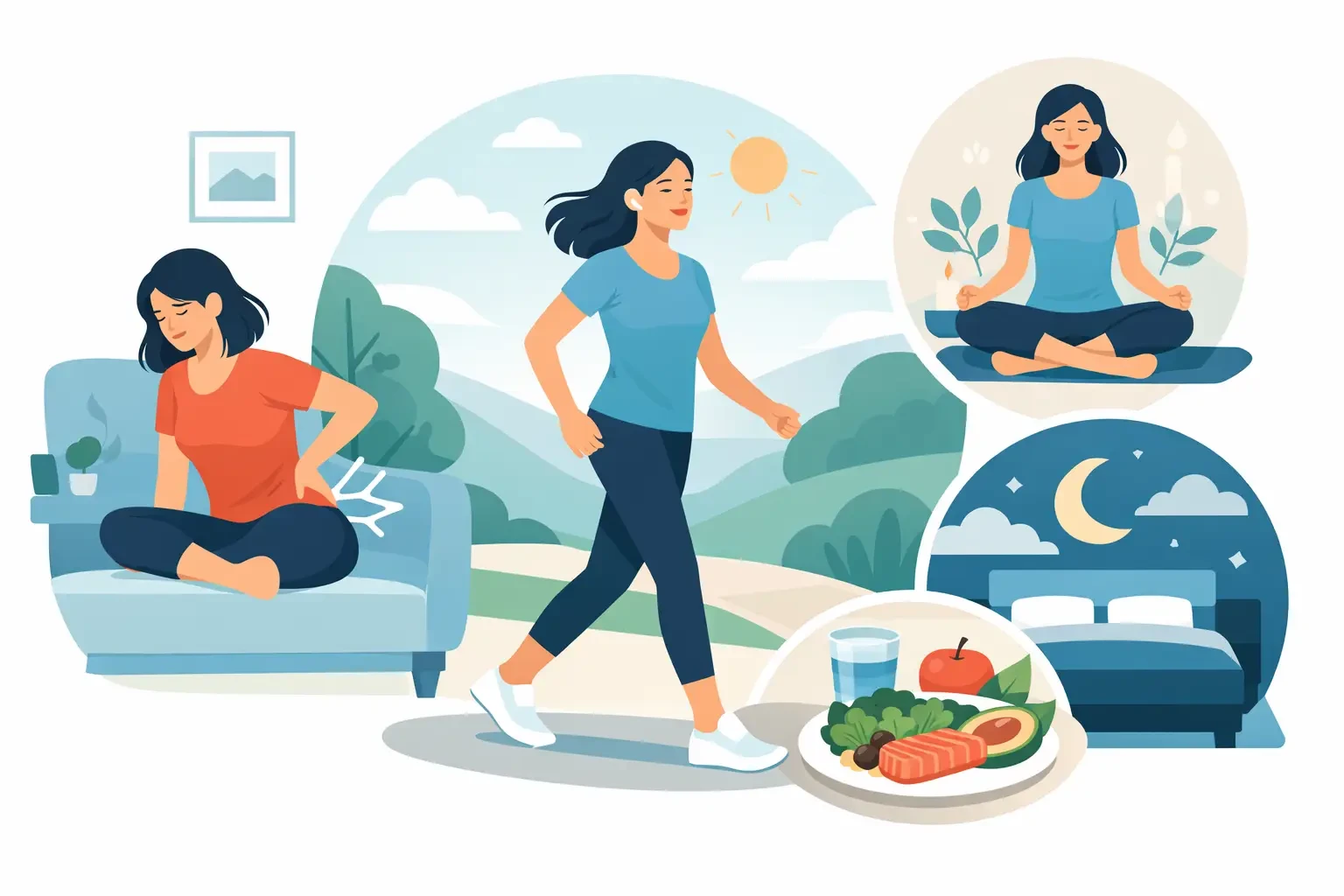
That familiar ache at the end of a workday is rarely caused by one thing. Maybe your neck has spent eight hours leaning toward a laptop. Maybe an old injury has made you move a little differently, and now your low back is doing more than its share. Maybe stress has turned your shoulders into tiny, very determined boulders.
Lifestyle changes for chronic pain are not about becoming a different person overnight or following a picture-perfect wellness routine. They are about reducing the everyday inputs that keep your body on high alert, while giving it more of what supports movement, recovery, and resilience. Small adjustments, repeated consistently, can create meaningful relief over time.
Start with patterns, not pressure
Chronic pain can be complicated. It may involve joints, muscles, nerves, inflammation, sleep, stress, past injury, posture, or several factors at once. That is why the most helpful question is often not, “What did I do wrong?” It is, “What patterns might be keeping my body irritated?”
For one person, the pattern is long stretches of sitting followed by one intense weekend workout. For another, it is poor sleep, rushed meals, jaw clenching, and a calendar with no breathing room. Pain is real, and it deserves compassionate attention, not blame. Still, identifying your patterns gives you practical places to begin.
Try noticing when symptoms are lowest and when they flare. Consider your sleep, workload, movement, stress level, hydration, meals, and screen habits. You do not need a color-coded spreadsheet unless that is your thing. A few notes on your phone for one or two weeks can reveal useful clues.
Make movement smaller and more frequent
When pain is persistent, it is tempting to choose between two extremes: avoid movement completely or push through until you are wiped out. Neither tends to build sustainable comfort. Your body usually benefits from regular, manageable movement that respects its current capacity.
A five-minute walk after lunch, gentle mobility between meetings, or a few minutes of guided physiotherapy exercises can be more useful than one heroic workout that leaves you sore for three days. Think of movement as a conversation with your body, not a pop quiz it can fail.
Use the “just enough” approach
Choose activities that feel challenging but tolerable, then increase gradually. A light walk, swimming, cycling, restorative yoga, strength work with good form, and mobility practice may all have a place, depending on your condition and preferences. The right choice is the one you can repeat without causing a major symptom spike.
Pacing matters especially when you have a good day. It is wonderful to feel capable again, but doing every overdue chore in one afternoon can turn a better day into a flare-up. Break larger tasks into smaller blocks, alternate more demanding activities with easier ones, and leave a little energy in the tank. Very glamorous? Maybe not. Very effective? Often, yes.
Give your work setup a reality check
Your desk does not need to look like a spaceship to support your body. It does need to fit you reasonably well. Position your screen near eye level, keep frequently used items close enough that you are not constantly reaching, and use a chair that allows your feet to rest comfortably on the floor or a footrest.
The bigger issue is often not posture itself but staying in any one posture for too long. Even the most beautifully arranged workstation cannot outsmart six motionless hours. Set a gentle reminder to stand, walk, stretch, or change positions every 30 to 60 minutes. Your nervous system likes variety, and your hips would probably send a thank-you note if they could.
If you drive often around Frisco, Plano, or the broader North Dallas area, the same principle applies. Adjust your seat so you are not reaching for the wheel, take movement breaks on longer drives, and avoid keeping your wallet or phone in a back pocket while seated. Little sources of uneven pressure can add up.
Treat sleep as part of pain care
Pain can disrupt sleep, and poor sleep can make pain feel louder the next day. It is an unfair little loop, but it can be softened. Start by making your evenings more predictable: dim lights, reduce stimulating screens when possible, and create a wind-down ritual that tells your body it is safe to settle.
Your sleep position and pillow setup matter, but there is no universal “best” position. Side sleepers may feel better with a pillow between the knees; back sleepers may prefer support under the knees. The goal is comfortable spinal alignment, not forcing yourself into a pose that leaves you staring at the ceiling at 2 a.m.
If pain regularly wakes you, makes it hard to fall asleep, or is paired with loud snoring, numbness, weakness, fever, unexplained weight changes, or changes in bowel or bladder control, seek medical evaluation promptly. Lifestyle support works best alongside appropriate clinical care, not instead of it.
Help your nervous system come down a notch
Chronic pain is not “all in your head.” But the nervous system does influence how strongly the body experiences danger signals. When life is nonstop, muscles may stay guarded, breathing can become shallow, and pain can feel more intense. Creating moments of calm is not indulgent. It is part of recovery.
This can be simple: slow breathing for two minutes before a meeting, a short walk outside, a warm shower, quiet music while making dinner, or a few minutes without notifications. Choose something you genuinely enjoy, because a stress-relief practice that feels like homework is unlikely to stick.
Hands-on care can also support this shift. Chiropractic care may help address joint restriction and movement patterns. Acupuncture can be a calming option for people seeking non-invasive pain support. Cupping may help ease muscular tightness and encourage recovery. Personalized physiotherapy can build strength, mobility, and confidence in movement. These services are most powerful when they are coordinated around your actual life, not treated as isolated appointments.
Build meals around steady energy and recovery
There is no magical anti-pain food plan, and anyone promising one deserves a little side-eye. Still, your eating patterns can affect energy, inflammation, digestion, and recovery. Skipping meals, relying on ultra-processed convenience foods during busy weeks, or barely drinking water can leave the body feeling more stressed and less supported.
Aim for regular meals with protein, fiber-rich carbohydrates, colorful produce, and nourishing fats. Keep hydration realistic and nearby. If you know certain foods worsen symptoms or digestion, track the pattern without becoming overly restrictive. Sustainable nutrition should make life easier, not turn every meal into a research project.
Body composition goals may also be part of a larger pain-management plan for some people, particularly when extra load affects joints or movement tolerance. The most supportive approach is individualized and compassionate, combining realistic nutrition, movement, recovery, and appropriate wellness guidance rather than chasing quick fixes.
Choose lifestyle changes for chronic pain you can keep
The best changes are rarely the most dramatic. They are the ones that fit into school drop-offs, deadlines, travel, family dinners, and the occasional day when your motivation has quietly left the building.
Start with one or two anchors. You might take a ten-minute walk after dinner, set up a better work break routine, or create a consistent bedtime cue. Once that feels normal, add the next supportive habit. Progress may be uneven, and flare-ups can still happen. That does not mean you have failed or that your body is broken.
At Align, care can bring those pieces together through a personalized plan that supports spinal health, mobility, muscular recovery, and the daily habits that help relief last. The goal is not to make your life smaller to avoid pain. It is to help you move through it with more ease, more confidence, and a little more room for the things that make you feel like yourself.
Find your next step at ALIGN
Our Frisco team can help you explore care that fits your needs. Request an appointment or explore our services.
This article provides general information and does not replace individualized medical advice.
← Back to all articles