Λ
7 Natural Ways to Relieve Sciatica and Move Easier
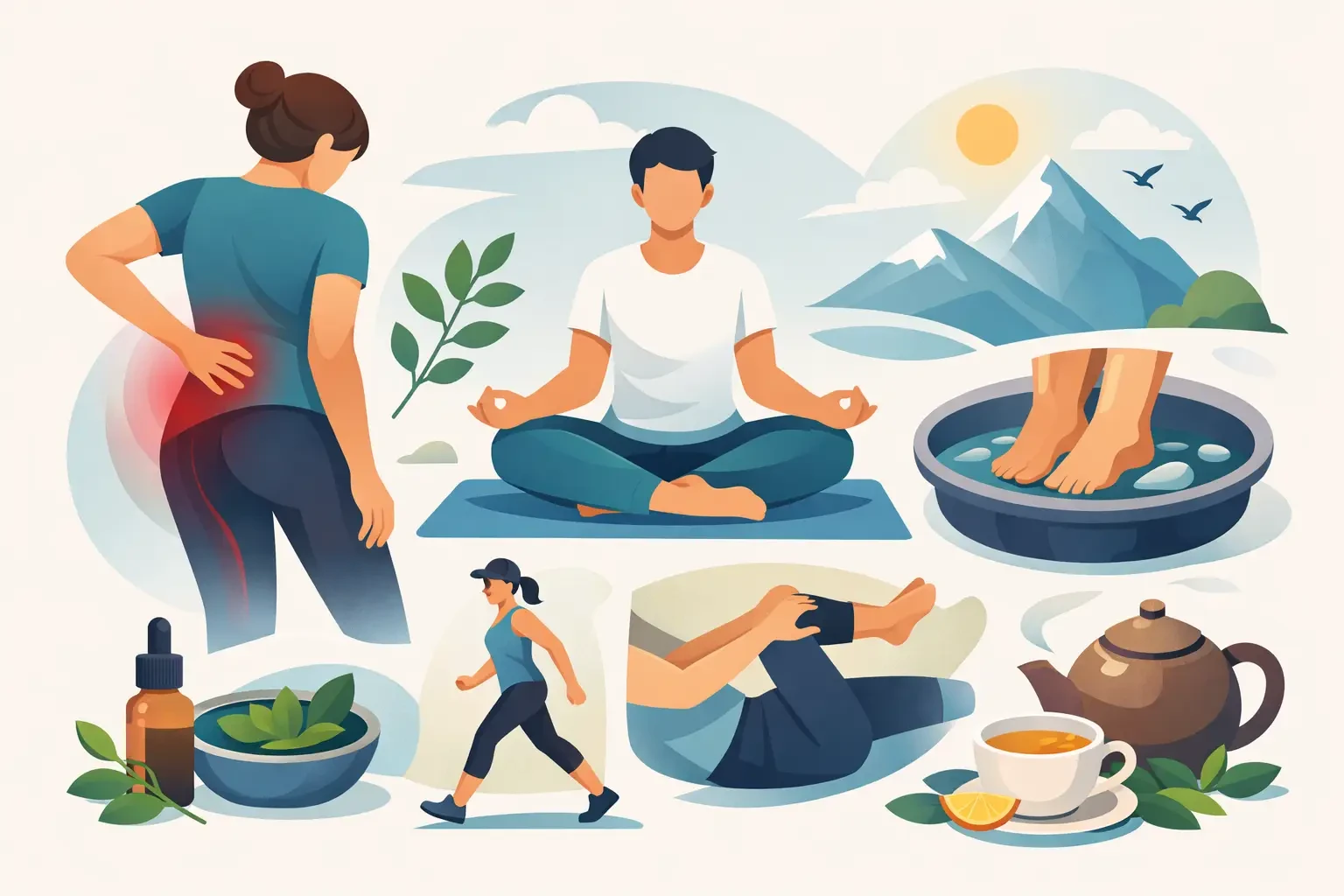
That electric ache that starts in your low back or hip and travels down one leg can make ordinary things feel wildly inconvenient. Sitting through a meeting, loading the dishwasher, getting comfortable in bed - suddenly, every move has an opinion. Natural ways to relieve sciatica can help calm irritation, support more comfortable movement, and give your body the conditions it needs to recover without making your life smaller.
Sciatica is not a diagnosis by itself. It describes pain, tingling, numbness, or weakness along the sciatic nerve pathway, often related to irritation or compression in the lower back, pelvis, or surrounding tissues. The right approach depends on what is contributing to your symptoms, so the goal is not to force a one-size-fits-all stretch routine. It is to gently restore alignment, mobility, strength, and daily habits that help your body feel more supported.
1. Keep moving, just make it kinder
When sciatica flares, bed rest can sound dreamy. A short period of rest may feel necessary during an intense episode, but staying still for too long can increase stiffness and make the surrounding muscles more guarded. Gentle, frequent movement is usually a better starting point.
Try a few easy walks throughout the day, even if they are only five to 10 minutes at a comfortable pace. Let your arms swing naturally and avoid powering through sharp, increasing, or radiating pain. If walking feels worse, a different position may be more appropriate for your body right now.
The sweet spot is movement that leaves you feeling the same or a little better afterward, not more flared up. Think consistency over intensity. Your nervous system is not asking for a boot camp montage. It is asking for a calm, reassuring reminder that movement can be safe.
2. Use heat or cold based on what feels good
Heat and cold are simple tools, but they can make a meaningful difference when used thoughtfully. A cold pack may be soothing during a fresh flare-up, especially if the area feels hot, inflamed, or sharply irritated. Wrap it in a thin towel and use it for about 10 to 15 minutes at a time.
Gentle heat can be more helpful when your low back, glutes, or hips feel tight and protective. A heating pad, warm shower, or warm bath may help muscles relax before an easy walk or mobility session. Neither option is universally better. Your body gets a vote here.
Avoid falling asleep with a heating pad, and be especially cautious with heat or cold if you have reduced sensation, circulation concerns, or a condition that affects your ability to feel temperature changes.
3. Try gentle mobility, not aggressive stretching
A deep stretch can feel tempting when your hip or leg feels tight. But sciatica is not always a flexibility problem, and aggressively pulling on an irritated nerve can make symptoms louder. Start with small, controlled movements instead of chasing a dramatic stretch.
Gentle pelvic tilts, supported knee-to-chest movements, cat-cow, or slow hip mobility may feel good for some people. Others may respond better to movements that gently extend the low back, such as lying on the stomach with a pillow under the hips or gradually propping onto the elbows. The best direction depends on the source of irritation.
Move slowly and pay attention to where symptoms go. A helpful movement often causes leg symptoms to lessen or move closer to the low back. Stop if pain shoots farther down the leg, numbness increases, or the movement creates sharp discomfort. This is where individualized physiotherapy guidance can take the guesswork out of your routine.
4. Support your posture without becoming posture police
You do not need to sit perfectly still with your shoulders pinned back all day. Bodies are built to move, and the most supportive posture is often the next posture. Still, long stretches of slumping, twisting, or perching at the edge of a chair can add stress when your back is already irritated.
Set up your workspace so your feet are supported, your screen is near eye level, and your low back has gentle support. If sitting tends to trigger symptoms, stand up or change positions every 30 to 45 minutes. A small folded towel behind the low back, a footrest, or a more supportive chair can make a surprisingly big difference.
For sleep, experiment with a pillow between your knees when side sleeping or under your knees when sleeping on your back. The goal is not a picture-perfect position. It is reducing the twist and strain that keeps waking you up.
5. Release the muscles around the problem
Sciatic symptoms can be influenced by more than the spine alone. Tight or overworked glutes, hip rotators, hamstrings, hip flexors, and low-back muscles can change how you move and add tension around sensitive areas. Addressing these tissues may help you move with less guarding.
A tennis ball against a wall can offer gentle pressure to the glutes, but avoid rolling directly over the spine or pressing hard enough to recreate sharp, electric pain. Light self-massage, a warm bath, or professional soft-tissue work may be a better fit during a sensitive flare.
At Align, care may combine chiropractic adjustments, physiotherapy, acupuncture, or cupping based on your symptoms, movement patterns, and comfort level. These modalities are not interchangeable magic tricks. A personalized plan can help identify whether your body needs mobility, muscular release, nervous-system support, better movement mechanics, or a thoughtful mix of each.
6. Build strength when the flare settles
Once pain is calming down, strengthening is one of the most useful natural ways to relieve sciatica over the long run. Stronger glutes, hips, and deep core muscles help share the load during walking, lifting, climbing stairs, and the very glamorous task of carrying groceries in one trip.
Start with low-load exercises that do not reproduce symptoms, such as bridges, clamshells, bird dogs, or sit-to-stands from a chair. Form matters more than how many reps you can squeeze in. If an exercise causes increasing leg pain, scale it back or ask a qualified provider to assess your pattern.
This phase is about building confidence as much as building muscle. Your body often recovers better when it learns that bending, walking, and moving are possible again in manageable doses.
7. Lower the stress dial
Stress does not mean your pain is imaginary. It means the nervous system and musculoskeletal system are connected, and a body under constant pressure may hold more tension and become more sensitive to discomfort. Poor sleep, shallow breathing, rushed schedules, and long workdays can all make pain harder to manage.
A few minutes of slow breathing, a gentle evening walk, restorative yoga, or a consistent wind-down routine can help signal safety to your system. Acupuncture may also be a supportive option for people seeking a relaxing, non-medication-based complement to movement and hands-on care.
Small habits count. You do not need a flawless wellness routine with matching water bottles and a 5 a.m. wake-up call. You need repeatable choices that make your day feel a little less tense and your body a little more cared for.
When sciatica needs medical attention
Natural support works best when it is paired with good judgment. Seek urgent medical care if you have new bowel or bladder changes, numbness around the groin or inner thighs, significant or worsening leg weakness, fever with back pain, or symptoms after a serious fall, collision, or other trauma.
It is also wise to get evaluated when symptoms are severe, persistent, repeatedly returning, or making it difficult to work, sleep, or walk normally. A personalized assessment can help rule out more serious causes and guide you toward the most appropriate next step.
Your back and hips do not need punishment to change. They need patient attention, smarter movement, and care that sees the whole picture. Start with one gentle shift today, then let your progress build from there.
Find your next step at ALIGN
Our Frisco team can help you explore care that fits your needs. Request an appointment or explore our services.
This article provides general information and does not replace individualized medical advice.
← Back to all articles