Λ
Non Surgical Sciatica Pain Relief That Moves You
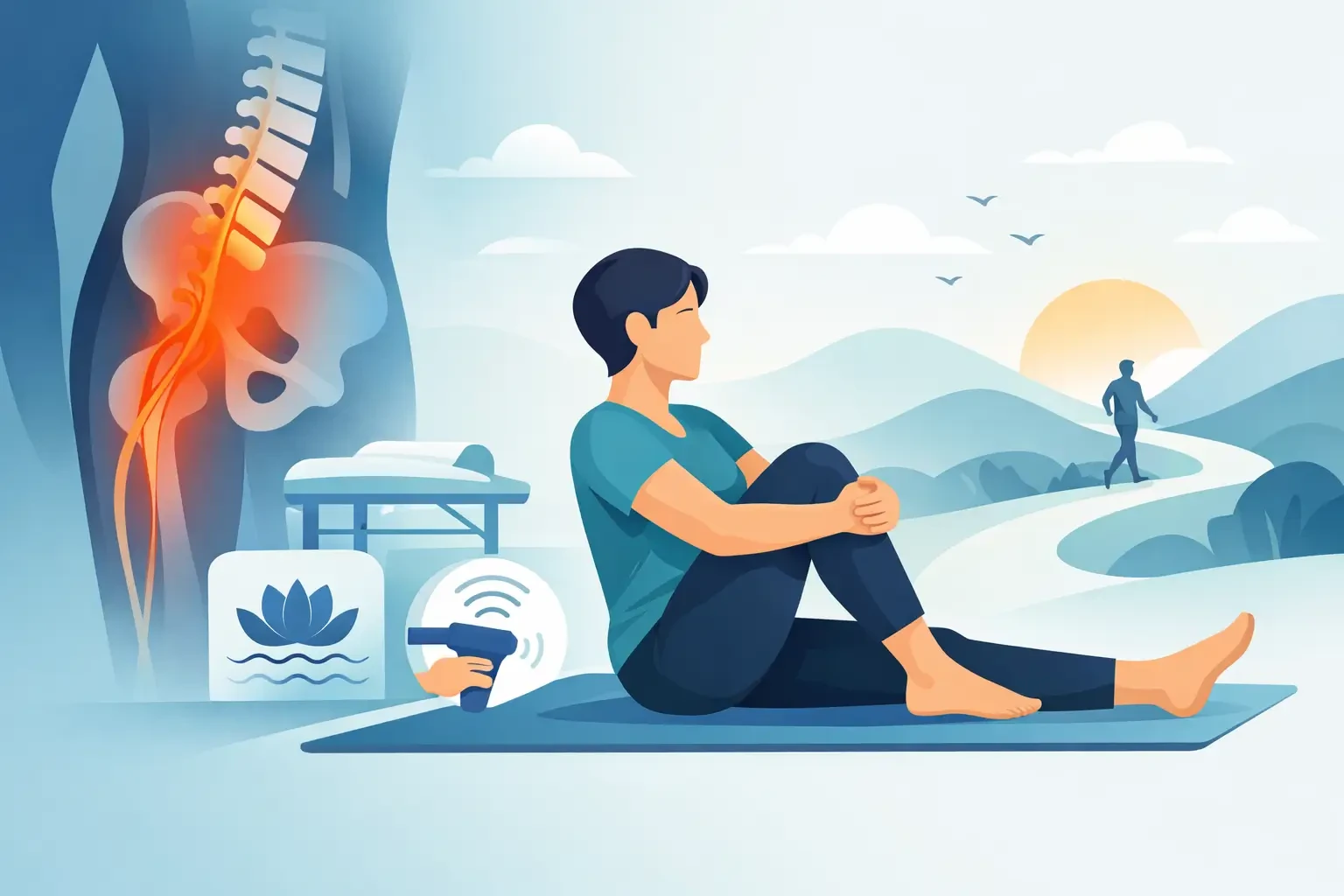
That sharp pull from your low back into your hip, leg, or foot can make ordinary moments feel wildly inconvenient. Getting out of the car, sitting through a meeting, picking up your kid, or even sleeping comfortably can become a whole production. Non surgical sciatica pain relief focuses on calming the irritation, restoring more comfortable movement, and addressing the patterns that may be keeping your body stuck.
Sciatica is not a diagnosis all by itself. It describes symptoms that happen when the sciatic nerve, or one of the nerve roots that contributes to it, becomes irritated or compressed. The feeling can range from a dull ache to burning, tingling, numbness, or electric pain traveling down one side of the body. The right approach depends on what is driving your symptoms, how long they have lasted, and how your body responds to care.
Why sciatic pain is rarely just a “back problem”
The sciatic nerve runs from the lower spine through the pelvis and down each leg. Because of that route, discomfort can be influenced by more than one area. A disc issue, spinal joint irritation, tight muscles around the hip, prolonged sitting, a sudden lifting incident, pregnancy-related changes, or movement patterns built up over years can all play a role.
That is why chasing the painful spot alone often falls short. If your low back hurts because your hips are not moving well, your core is not sharing the load, and your workday keeps you folded over a laptop, a quick fix may feel good without creating much lasting change. Whole-body care looks at the relationship between spinal alignment, muscle tension, mobility, stress, recovery, and the everyday habits your body repeats.
The good news: many cases improve without surgery. A personalized plan can help you move with more confidence while giving your nervous system a little less to complain about.
Non surgical sciatica pain relief starts with a clear assessment
Before choosing a treatment, it helps to understand your symptom pattern. When did the pain begin? Does sitting, bending, coughing, walking, or lying down change it? Is the discomfort mostly in the back, or does it travel below the knee? These details can help shape safe, useful care.
At an integrative wellness studio, an assessment may include posture, spinal and hip mobility, muscle tension, functional movement, and the activities that tend to flare symptoms. The goal is not to label you as “fragile” or tell you to stop doing everything you enjoy. It is to find a realistic starting point and build from there.
There is no prize for toughing out alarming symptoms, though. Seek urgent medical evaluation for new bowel or bladder changes, numbness in the groin or saddle area, significant or worsening leg weakness, fever with severe back pain, pain after major trauma, or unexplained weight loss. These signs need prompt medical attention rather than a wellness appointment.
Gentle, coordinated options that may help
A non-surgical plan is usually not one magic service. It is a thoughtful mix of hands-on care, movement support, recovery strategies, and small lifestyle shifts that fit your body and schedule.
Chiropractic care for movement and alignment
Chiropractic care can support spinal joint movement and help reduce mechanical strain that may be contributing to discomfort. Gentle adjustments and mobilization techniques are selected based on your presentation, comfort level, and clinical findings. For some people, improving movement in the low back, pelvis, or hips can make walking, standing, and bending feel less guarded.
Chiropractic care works best when it is part of a larger plan, not a one-and-done rescue mission. Your provider may pair hands-on treatment with simple mobility work and recommendations for sitting, sleeping, lifting, or exercise modifications.
Acupuncture to support pain relief and relaxation
Acupuncture is a time-tested modality that uses very fine needles at specific points on the body. Many people appreciate it because it can feel deeply calming while supporting the body’s natural pain-modulation processes. When sciatic pain comes with muscle guarding, stress, poor sleep, or a nervous system that feels perpetually on high alert, acupuncture may be a valuable complement to movement-based care.
It is not about forcing your body to relax. It is about giving it conditions that make settling easier. Some clients notice improvement quickly, while others need a series of sessions before they can tell what is changing.
Cupping for stubborn muscle tension
Cupping uses gentle suction to lift tissue and encourage circulation in tight, overworked areas. It may be used around the low back, glutes, hips, or legs when muscle tension is adding to the problem. Those temporary circular marks can look dramatic, but they are not painful bruises for most people.
Cupping is not a cure for nerve compression, and it is not right for every person or every condition. Still, when tight tissue is making it hard to move comfortably, it can be a soothing addition to a well-rounded care plan.
Physiotherapy and corrective movement
Rest has a place after an acute flare, but too much rest can leave the body stiffer, weaker, and more sensitive. Physiotherapy-style exercises help reintroduce movement at an appropriate pace. The best exercise is not necessarily the trendiest stretch online. It is the one that matches your symptoms, current ability, and goals.
Your plan may include gentle nerve mobility work, hip mobility, core and glute strength, walking progressions, or strategies to improve how you hinge, squat, and lift. If a movement consistently sends pain farther down the leg, that is useful feedback. A provider can help modify it rather than asking you to push through sharp symptoms.
The everyday habits that make treatment stick
Your appointment can create momentum, but your daily environment matters too. A few small adjustments often beat an intense weekend wellness reset that disappears by Tuesday.
If sitting aggravates your symptoms, try changing positions before pain becomes loud. A short walk, a few supported standing movements, or a quick reset every 30 to 60 minutes can be more helpful than holding one “perfect” posture all day. Your body likes variety more than it likes rigid rules.
For sleep, experiment with support rather than assuming you need a new mattress immediately. A pillow between the knees when side sleeping, or beneath the knees when lying on your back, may reduce strain for some people. When lifting, bring objects close to your body and avoid rushed twisting under load. Glamorous? No. Friendly to your back? Very.
Stress deserves a place in the conversation, too. Stress does not mean your pain is imaginary. It can increase muscle tension, disrupt sleep, and turn up the nervous system’s sensitivity to discomfort. Consistent breathing practice, restorative movement, adequate hydration, nourishing meals, and realistic recovery time all support the bigger picture.
What progress can realistically look like
Healing from sciatica is often more of a playlist than a single perfect song. One day may feel noticeably better, followed by a flare after a long drive or an ambitious workout. That does not automatically mean you are back at square one.
Meaningful progress may look like pain traveling less far down the leg, fewer wake-ups at night, being able to sit through dinner, taking a longer walk, or returning to workouts with smarter pacing. As symptoms calm, care can shift from relief-focused visits toward corrective movement, strength, and maintenance that supports the life you want to live.
The timeline varies. Newer symptoms may respond differently than recurring pain that has been hanging around for months. Conditions such as osteoporosis, inflammatory disorders, diabetes, prior surgery, or pregnancy can also affect the plan. Open communication with your provider and medical team helps keep care appropriate.
A more supported path back to movement
You do not have to choose between ignoring sciatic pain and jumping straight to invasive treatment. For many adults, a personalized combination of chiropractic care, acupuncture, cupping, physiotherapy, and practical lifestyle guidance creates a gentler path forward.
At Align, care is built around how your body moves, what your days demand, and what feeling better would actually let you do. Start where you are, move at a pace your body can trust, and let small wins become the foundation for more comfortable, capable days.
Find your next step at ALIGN
Our Frisco team can help you explore care that fits your needs. Request an appointment or explore our services.
This article provides general information and does not replace individualized medical advice.