Λ
Recovery Therapy After Intense Workouts That Works
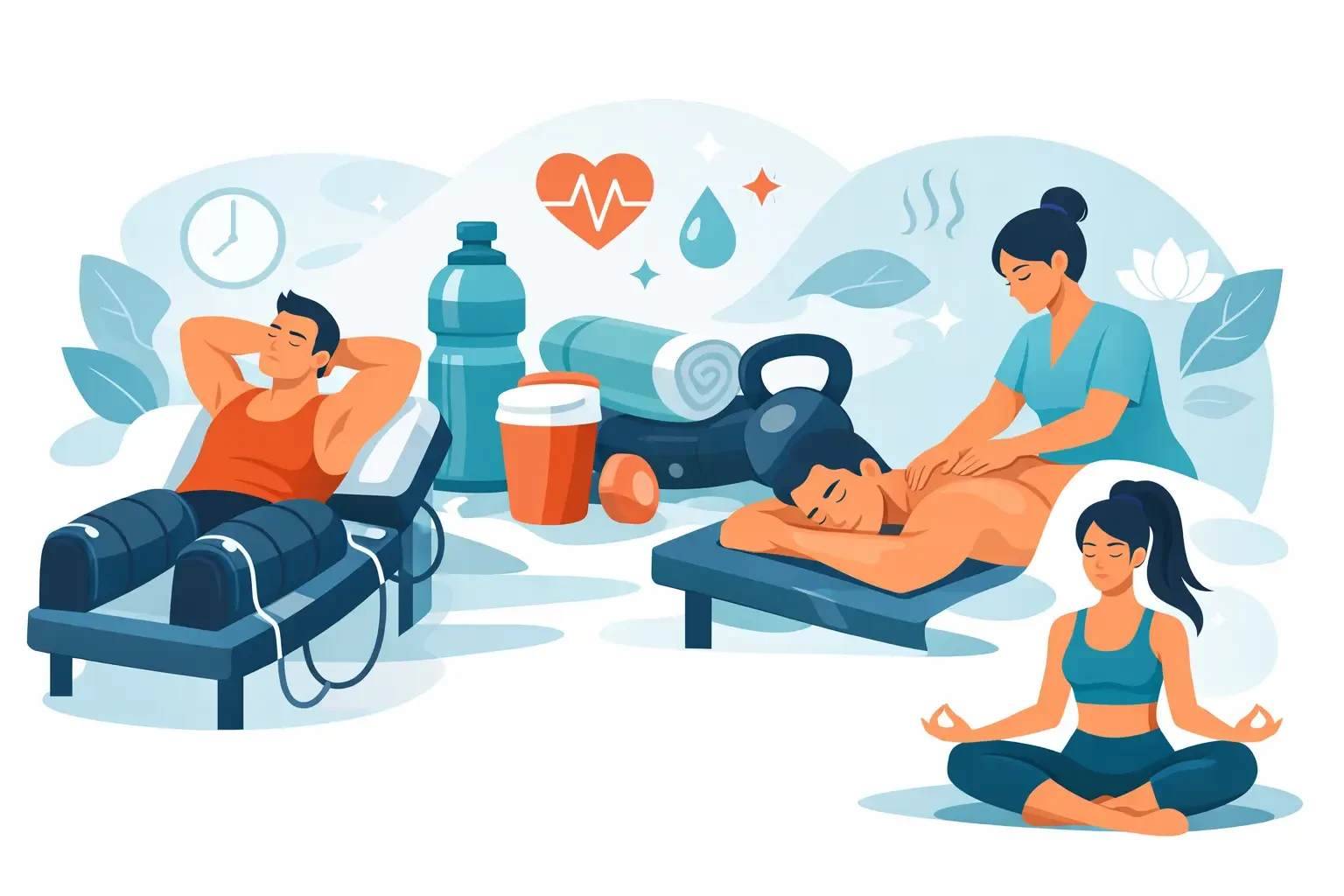
That post-workout feeling can be satisfying right up until you cannot comfortably sit down, lift your arms, or turn your head the next morning. Recovery therapy after intense workouts is not about avoiding effort or taking a shortcut. It is about giving your muscles, joints, and nervous system the support they need to adapt to the work you asked them to do.
A hard training session creates a useful kind of stress. Heavy lifting, long runs, high-intensity classes, weekend sports, and even a return to exercise after time away can leave muscles tight, movement restricted, and your whole body feeling a little out of sync. Smart recovery helps you keep the benefits of training without letting accumulated soreness, poor movement patterns, or fatigue steal the fun.
Why Recovery Is More Than Muscle Soreness
Muscle soreness is only one part of the picture. Intense exercise can temporarily affect tissue tension, joint mobility, hydration, sleep quality, and how calm or alert your nervous system feels. If you already spend your workday at a desk, carry stress in your shoulders, or have a history of back or neck discomfort, a tough workout may highlight patterns that were already brewing.
That does not mean every sore muscle needs a treatment. Normal delayed-onset muscle soreness often improves with time, gentle movement, food, hydration, and sleep. But when tightness changes how you move, soreness lingers longer than expected, or the same area keeps flaring up, recovery deserves a more thoughtful plan.
The goal is not to erase every sensation. Some fatigue is part of getting stronger. The goal is to restore comfortable movement, reduce unnecessary tension, and help your body feel ready for the next session instead of merely surviving it.
What Good Recovery Therapy After Intense Workouts Looks Like
The best approach depends on your workout, your health history, and what your body is telling you. A marathoner with tight calves needs something different from a parent who went hard in a strength class after a long week of sitting. There is no gold-star recovery routine that works for everyone.
At its best, recovery care blends hands-on support with practical habits. It looks at where you feel discomfort, but also at what may be contributing to it: restricted hip mobility, spinal stiffness, uneven loading, shallow breathing, disrupted sleep, or simply doing too much too soon.
Chiropractic care for movement and alignment
After intense training, joints and surrounding muscles can become guarded. Chiropractic care can support spinal and joint mobility when stiffness or restricted movement is making everyday life or training feel harder. For some people, restoring comfortable motion through the hips, mid-back, neck, or low back makes it easier to return to good form rather than compensating around a tight area.
A personalized assessment matters here. An adjustment is not a replacement for strength, rest, or a well-designed program. It can be one useful piece of a broader plan to help your body move more freely and comfortably.
Acupuncture for tension and nervous-system support
Sometimes your body is physically tired, but it is also stuck in high gear. You may feel wired at night, clench your jaw, hold tension through your shoulders, or struggle to settle after demanding workouts and demanding days. Acupuncture can be a gentle, restorative option for supporting relaxation, easing muscular tension, and helping the nervous system shift out of constant go-mode.
This is especially valuable when stress and recovery are tangled together. Your training plan may be perfectly reasonable on paper, but if sleep is poor and life is full, your recovery capacity may be lower than usual. That is not a character flaw. It is useful information.
Cupping for tight, overworked tissue
Cupping is often a favorite after strength training, cycling, running, and recreational sports because it can help address the feeling of dense, stuck, overworked tissue. It is not meant to be a painful badge of honor. The experience should be tailored to your comfort level and goals.
Temporary circular marks can occur, so timing matters. If you have a beach weekend, a photo shoot, or an event where you would rather not explain your shoulder polka dots, plan accordingly. Cupping can feel wonderfully relieving for the right person, but it is one option, not a requirement for a successful recovery day.
Physiotherapy for a return to better patterns
When soreness keeps returning to the same spot, the answer may not be more stretching. Physiotherapy can help identify movement habits, mobility limitations, and strength gaps that may be asking one area to do too much work. The focus is not just on feeling better on the table. It is on moving better when you leave it.
This might include guided mobility work, corrective exercises, soft-tissue techniques, and a realistic plan for easing back into training. Small changes in how you squat, hinge, run, breathe, or recover between sessions can add up beautifully over time.
The Recovery Basics That Still Matter Most
Professional care works best alongside the unglamorous basics. A great session cannot outsmart chronic sleep deprivation, under-fueling, or training hard every day because your calendar says you should.
After a challenging workout, drink enough water and replenish with a balanced meal that includes protein and carbohydrates. Protein supports muscle repair, while carbohydrates help restore energy stores. The exact amount depends on your body size, goals, workout duration, and overall nutrition needs, so there is no need to turn your post-workout snack into a complicated math problem.
Gentle movement is often more helpful than collapsing on the couch for the entire day. An easy walk, relaxed mobility work, or light cycling can keep you from feeling locked up. Keep the word gentle in mind. A punishing “recovery workout” is still a workout.
Sleep is your quiet recovery superpower. If your training performance suddenly drops, your soreness feels unusually intense, or you are constantly craving caffeine, look at your sleep before assuming you need a more aggressive treatment. Sometimes the most aligned choice is an earlier bedtime.
When to Schedule a Recovery Session
You do not have to wait until your body is sending a dramatic complaint letter. Recovery appointments can be especially helpful after an unusually hard event, a new training block, a race, a tournament, or a stretch of travel and long work hours that has left you feeling tight and depleted.
They can also make sense as regular maintenance if you train consistently and notice recurring stiffness or limited mobility. The right frequency depends on your activity level, goals, response to care, and budget. More is not automatically better. A thoughtful plan should fit your real life and support your own ability to recover between visits.
For active adults around Frisco and North Dallas, Align can coordinate chiropractic care, acupuncture, cupping, and physiotherapy around what your body needs now and what you want it to do next. The care is not about forcing your body into a one-size-fits-all routine. It is about helping you build a recovery rhythm that feels supportive, sustainable, and strong.
Know When Soreness Is Not Just Soreness
Normal workout soreness tends to feel broad, dull, and temporary. Sharp pain, sudden swelling, numbness, weakness, joint instability, pain that worsens instead of improves, chest pain, dizziness, or shortness of breath deserve prompt medical evaluation. If you suspect an injury, do not try to stretch, foam roll, or push through your way to an answer.
Recovery also means respecting the message. Resting or modifying a workout is not losing progress. It is often how you protect the progress you have already earned.
Your body is not a machine that needs to be driven harder every time it slows down. Give it movement, nourishment, rest, and the right kind of hands-on support. Then let recovery be part of the ritual - not the thing you remember only when getting out of bed becomes its own workout.
Find your next step at ALIGN
Our Frisco team can help you explore care that fits your needs. Request an appointment or explore our services.
This article provides general information and does not replace individualized medical advice.