Λ
Frisco Injury Recovery Guide for Moving Well Again
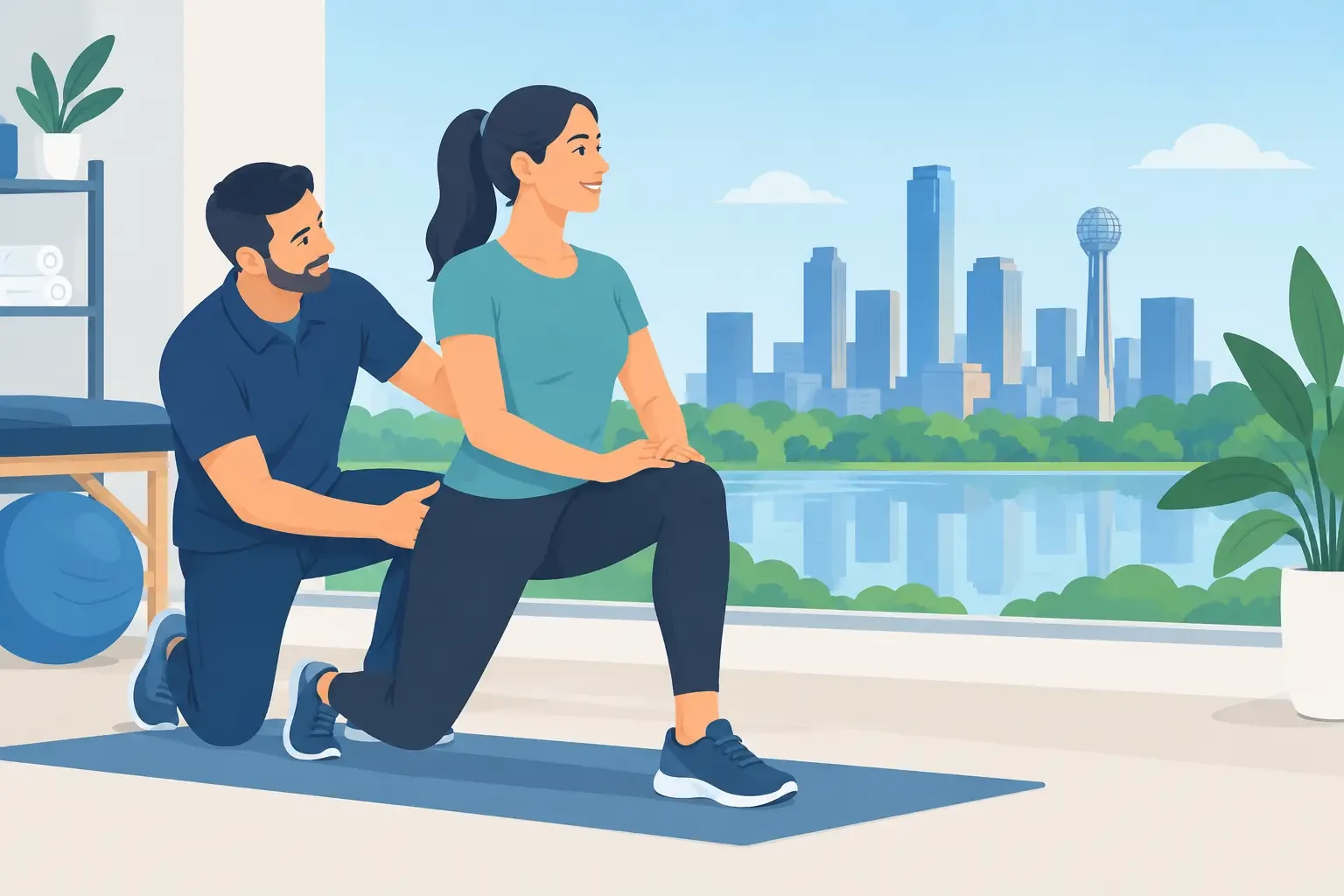
A sore back after lifting a box, a stiff neck after a car accident, a cranky knee after pickleball - injuries have a way of shrinking your world fast. This Frisco injury recovery guide is here to make the next steps feel less overwhelming. Recovery is not about forcing your body to “push through.” It is about listening closely, supporting what needs care, and gradually building trust in movement again.
For many people, the pain is only part of the problem. You may also be sleeping poorly, avoiding workouts you love, sitting differently at work, or feeling nervous every time you bend, twist, or pick up your child. A thoughtful recovery plan looks beyond the sore spot because your body is always working as a connected system.
Start With Safety, Then Build a Recovery Plan
Not every injury belongs in a wellness setting first. Seek urgent medical attention for severe or worsening pain after a major fall or collision, visible deformity, inability to bear weight, chest pain, trouble breathing, loss of bladder or bowel control, numbness in the groin area, sudden weakness, or symptoms such as confusion and severe headache after a head injury. Those are not “wait and see” moments.
For common muscle, joint, and overuse concerns, an early evaluation can help clarify what is aggravating the area and what movement may still be safe. This does not mean every ache needs an intense treatment schedule. Sometimes the best first move is relative rest, gentle mobility, and a few practical changes to how you sit, sleep, train, or work.
A personalized plan should account for the injury itself, but also for your health history, medications, stress level, job demands, fitness background, and goals. Recovering enough to get through a workday is different from recovering to run a 10K, return to a strength class, or play on the floor with your kids. Both goals are valid. They simply require different pacing.
The First Few Days: Calm the Flare Without Going Still
When something hurts, complete rest can sound appealing. A short pause from the activity that triggered pain may be wise, especially after a fresh strain or sprain. But too much stillness can create more stiffness, guarded movement, and fear around using the area.
Think “modify, not quit” whenever it is appropriate. If running bothers your knee, a gentle walk, light cycling, or a carefully selected mobility routine may be more comfortable. If heavy lifting irritates your back, you may still be able to move with bodyweight exercises, controlled walking, and technique-focused activity. Pain is useful information, not a personal failure and not always a command to stop every form of movement.
Early recovery is also a good time to simplify. Drink water consistently, prioritize protein and nourishing meals, and protect your sleep as much as possible. Your body does a surprising amount of repair while you rest. If sleep is difficult because you cannot get comfortable, a clinician can help you explore supportive positions and strategies that fit your situation.
Why Alignment and Movement Both Matter
Injury recovery gets tricky when the body starts compensating. A painful ankle can change the way you walk. A stiff upper back can make your neck work overtime. A tender shoulder can lead you to avoid reaching, which may gradually limit motion even more.
This is where whole-body care can be especially helpful. Chiropractic care may support joint mobility and spinal function when clinically appropriate. Physiotherapy can focus on restoring strength, coordination, range of motion, and confidence in the movements you need most. Rather than treating these as separate boxes, a coordinated approach considers how your posture, movement patterns, and nervous system responses may be affecting each other.
The goal is not to chase perfect posture or make your body move like a machine. Bodies are beautifully adaptable. The goal is to help you move with less strain, better control, and more options. That might look like being able to rotate your head while driving, squat without guarding your hip, or make it through a full day at your desk without feeling folded in half.
A Frisco Injury Recovery Guide to Supportive Therapies
Hands-on and complementary therapies can play a meaningful role in a recovery plan when they are matched to your needs. They are not magic fixes, and they work best alongside active steps such as guided mobility, strength work, and supportive daily habits.
Acupuncture may be used to support relaxation, ease muscular tension, and help some people manage discomfort during recovery. It can be particularly appealing when stress and pain are feeding each other - because, honestly, a tense body rarely gets the memo that it is safe to soften.
Cupping may help address areas that feel tight or restricted, especially around the shoulders, back, hips, or legs. It can leave temporary circular marks, which are typically not painful but can be a fun conversation starter if you forget they are there before a pool day.
Chiropractic care may be useful for people dealing with joint restriction, spinal discomfort, or movement limitations. The right approach depends on the person and the injury. Gentle techniques, soft-tissue work, and mobility-focused care may be more suitable than high-force treatment in some cases.
At Align, care can combine these modalities with physiotherapy and lifestyle guidance, creating a plan that supports both the immediate flare and the patterns that may be keeping it around. Your treatment should never feel like a mystery menu. You deserve to understand what is being recommended, why it fits your goals, and what you can do between visits.
Do Not Skip the “Between Appointments” Part
The care you receive in a session matters. What you do in the other 23 hours of the day matters, too. Tiny adjustments can make a genuine difference without turning your life into a full-time rehabilitation project.
If you work at a computer, take brief movement breaks before discomfort becomes a five-alarm situation. Change positions, stand up, walk for a minute, or do the specific exercises your provider recommends. If you are a parent constantly carrying a toddler on one hip, practice switching sides and bringing your child close before lifting. If training is part of your routine, reduce volume or intensity temporarily rather than trying to match your pre-injury numbers right away.
The “just one more workout” instinct is real, especially for active people. Yet recovery often responds better to consistency than heroics. A manageable plan done regularly beats an ambitious plan that leaves you flared up for three days.
Know the Difference Between Effort and Warning Signs
Some mild soreness, fatigue, or stiffness can happen as you return to movement. That is especially true when an area has been protected for a while. But sharp pain, increasing swelling, new numbness or tingling, loss of strength, instability, or symptoms that linger and worsen after activity deserve attention.
Use a simple check-in after movement: Did symptoms stay manageable? Did they settle reasonably soon? Do you feel the same or better the next morning? If the answer is repeatedly no, the plan likely needs adjusting. More is not always better. The sweet spot is enough challenge to help your body adapt without repeatedly poking the bear.
Let Recovery Be Personal, Not Perfect
There is no gold medal for recovering on someone else’s timeline. A minor strain may settle quickly, while a more complex injury, recurring pain pattern, or post-accident issue can take longer and require collaboration with other health professionals. Progress also tends to be wiggly: two good days, one cranky day, then another step forward. That does not mean you are back at square one.
Give yourself permission to celebrate useful wins: sleeping more comfortably, walking farther, carrying groceries with less hesitation, or returning to a favorite class with smart modifications. Those moments are not small. They are your life getting bigger again.
The kindest recovery plan is one you can actually live with. Start where your body is, get the right support, and keep showing up for the next comfortable step forward.
Find your next step at ALIGN
Our Frisco team can help you explore care that fits your needs. Request an appointment or explore our services.
This article provides general information and does not replace individualized medical advice.
← Back to all articles