Λ
Myofunctional Therapy for Adults: What It Helps
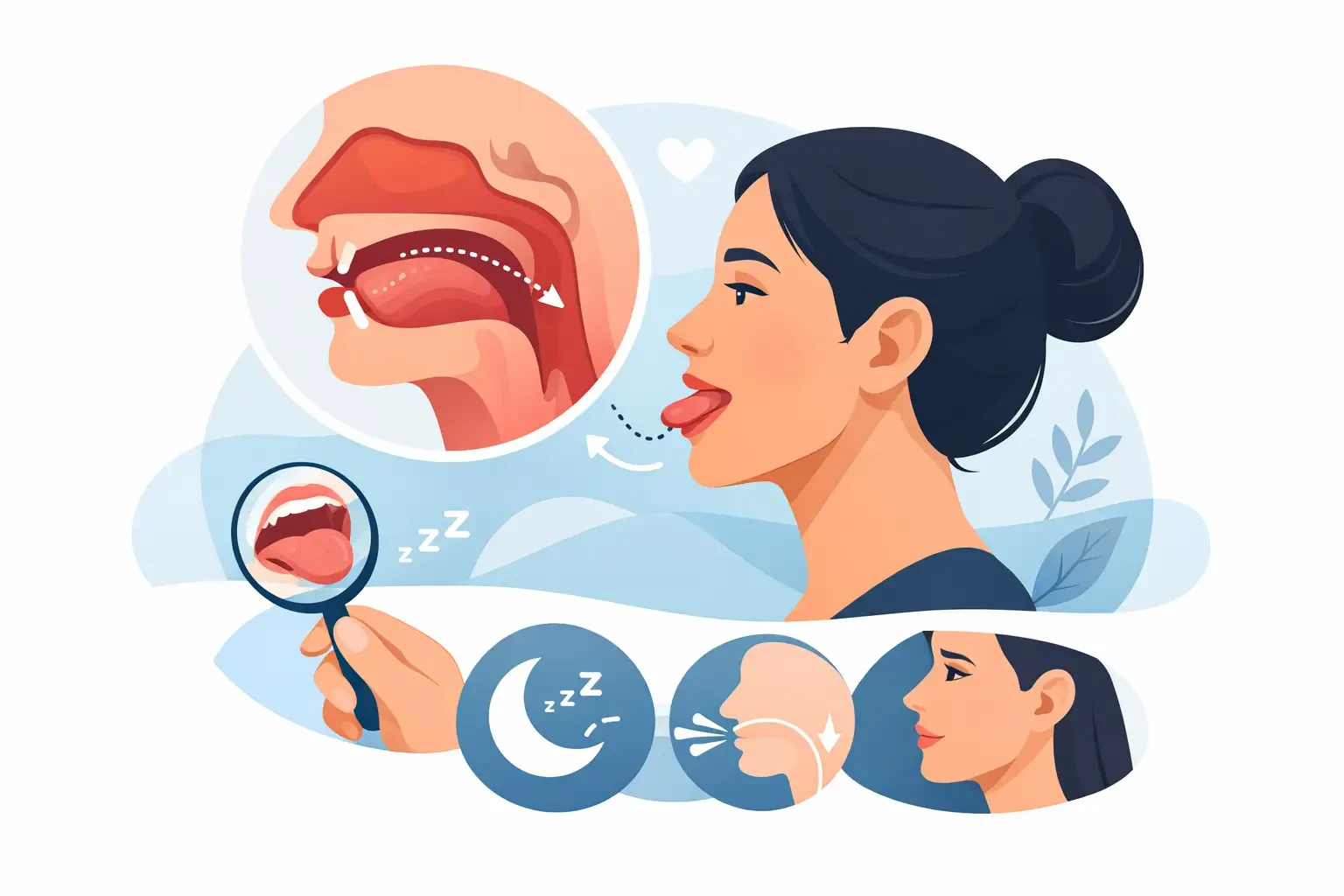
A tight jaw after a long workday, chronic mouth breathing, noisy sleep, or the feeling that swallowing takes more effort than it should can seem like unrelated annoyances. Often, they are connected by the way the tongue, lips, jaw, and facial muscles work together. Myofunctional therapy for adults focuses on those everyday patterns with gentle, personalized exercises designed to improve oral function and support more balanced movement.
This is not about forcing your tongue into a perfect position or chasing a quick fix. It is about noticing the habits your body has learned, then helping it build more supportive ones. For adults in Frisco and North Dallas who want a natural, non-surgical addition to their wellness plan, that can be a meaningful place to start.
What Is Myofunctional Therapy for Adults?
Myofunctional therapy is a form of neuromuscular re-education for the muscles of the mouth and face. A trained provider evaluates how you rest your tongue, seal your lips, breathe, chew, swallow, and use your jaw. From there, therapy uses small, repeatable exercises and habit coaching to encourage healthier coordination.
The goal is functional, not cosmetic. Ideally, the tongue rests lightly against the palate, the lips can close without strain, and breathing occurs through the nose when medically appropriate. Swallowing should feel coordinated rather than driven by facial tension, lip pressure, or a forward tongue push.
Adult patterns are often well established, which means consistency matters. But adults also tend to do very well with therapy because they can connect exercises to real-life cues: sitting at a desk, driving, exercising, preparing for sleep, or noticing jaw tension during a stressful meeting.
Why These Small Muscles Can Have a Big Effect
Your mouth and face are part of a larger system. The tongue influences the floor of the mouth and jaw. Jaw tension can contribute to neck and shoulder guarding. Breathing patterns can affect sleep quality, energy, and how much tension you carry through the day. No single muscle explains every symptom, but treating the area as disconnected from the rest of the body rarely tells the full story.
A tongue that rests low in the mouth, lips that remain open at rest, or a habitual forward swallow may develop for many reasons. Nasal congestion, allergies, dental changes, stress, previous oral restrictions, injury, posture, and learned habits can all play a role. This is why a thoughtful assessment matters more than a one-size-fits-all exercise sheet.
At Align, care can be coordinated with services that support the bigger picture, including chiropractic care, physiotherapy, acupuncture, and lifestyle guidance when appropriate. The point is not to pile on treatments. It is to understand what may be feeding the pattern, whether that is muscular tension, limited mobility, stress load, recovery needs, or daily habits.
Signs You May Benefit From an Evaluation
Myofunctional therapy is not only for children or orthodontic patients. Adults often seek it because they are ready to understand persistent patterns that have been brushed off as normal.
You may want an evaluation if you notice frequent mouth breathing, dry mouth on waking, difficulty keeping your lips closed comfortably, clenching or jaw fatigue, messy or effortful swallowing, tongue thrust, frequent headaches tied to jaw tension, or a tongue that feels crowded or poorly positioned. Some people also explore therapy while working with a dentist, orthodontist, sleep provider, ENT, speech-language pathologist, or bodywork practitioner.
Snoring, gasping, significant daytime sleepiness, or suspected sleep apnea deserve medical evaluation. Myofunctional therapy may be a supportive part of a larger plan for some people, but it is not a replacement for sleep testing, CPAP, oral appliance therapy, airway treatment, or other care recommended by a qualified medical professional.
What a Myofunctional Therapy Visit Feels Like
Expect curiosity, not judgment. Many people feel embarrassed about mouth breathing, snoring, clenching, or habits like pushing the tongue against the teeth. There is no gold star for doing everything perfectly. Your provider is looking for patterns, not reasons to blame you for them.
An evaluation may include observing posture, lip closure, tongue mobility, resting tongue position, breathing habits, chewing, and swallowing. You may be asked about sleep, nasal congestion, jaw discomfort, dental history, stress, prior injuries, and wellness goals. The answers help shape a plan that makes sense for your real schedule.
Your exercises may look simple from the outside: intentional tongue placement, lip-strengthening work, nasal breathing awareness, controlled swallowing practice, or mobility drills. Simple does not mean pointless. These exercises ask the nervous system to learn a new default, and that requires quality repetition.
Most programs include brief home practice between visits. A few focused minutes done regularly is generally more useful than an occasional marathon session. Think of it like improving mobility or building stability at the gym: the change comes from repetition, feedback, and gradually better control.
What Results Can You Realistically Expect?
Results depend on your starting point, the cause of the dysfunction, consistency with home practice, and whether other care is needed. Some adults notice greater awareness of their mouth and breathing habits early on. Others first notice that they are catching themselves clenching, resting with an open mouth, or pushing their tongue forward when they swallow.
Over time, therapy may support easier lip closure, more coordinated swallowing, improved tongue control, less compensatory facial tension, and better awareness of nasal breathing. If jaw or neck tension is part of your picture, addressing oral function alongside whole-body mobility and recovery care may feel especially helpful.
It is also worth being clear about the trade-offs. Therapy requires participation, and it cannot correct every structural issue by itself. A deviated septum, untreated allergies, significant airway obstruction, dental concerns, TMJ disorders, or sleep-disordered breathing may need evaluation by the appropriate provider. Good integrative care knows when to collaborate.
Making Therapy Fit Real Adult Life
The best plan is one you can actually keep. If your day is packed with school drop-offs, client calls, workouts, and dinner cleanup, a complicated routine is unlikely to last. Your therapist can help turn practice into small anchors in your day, such as after brushing your teeth, during a commute, or before bed.
It also helps to pair the work with supportive basics. Hydration, nasal hygiene recommended by your medical provider, stress management, sleep routines, and attention to desk posture can all influence how your body holds tension. If you are recovering from an injury or living with chronic neck and shoulder tightness, hands-on care and movement support may make it easier to practice without bracing through the jaw.
The goal is not to micromanage your body every minute. It is to give it clearer options. With patient practice and the right care team, healthier oral patterns can become less of a task and more of your natural rhythm.
If your jaw, breathing, sleep, or swallowing habits have been quietly asking for attention, you do not have to keep powering through them. A personalized evaluation can help you understand what your body is doing, what it may be compensating for, and what a gentler, more aligned next step could look like.
Find your next step at ALIGN
Our Frisco team can help you explore care that fits your needs. Request an appointment or explore our services.
This article provides general information and does not replace individualized medical advice.
← Back to all articles